

Can a 10 metre-wide park restore a sinking city’s aquifer while still providing space for the community?
Parque Lineal
Competition
Mexico City, Mexico
2016
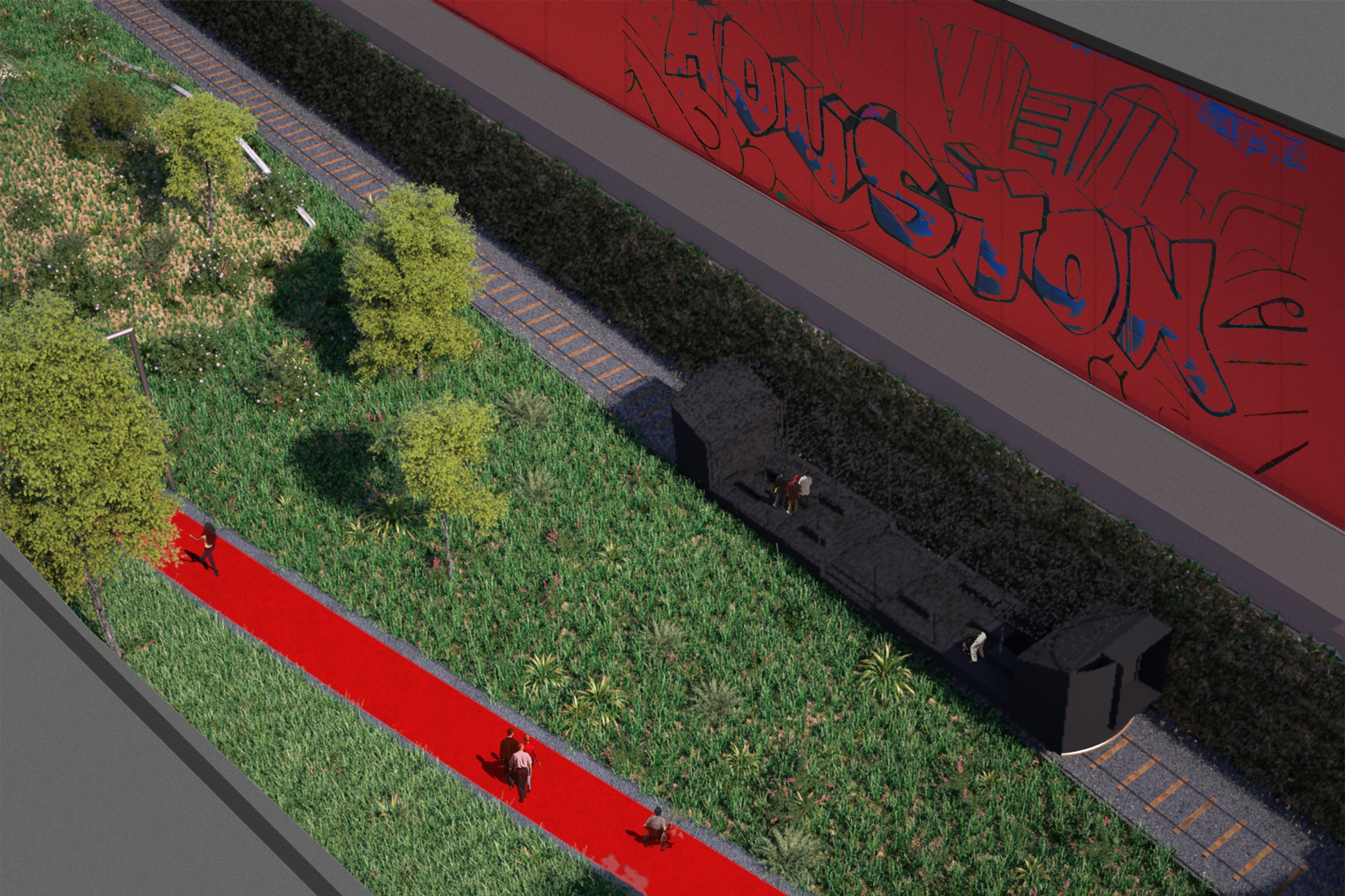
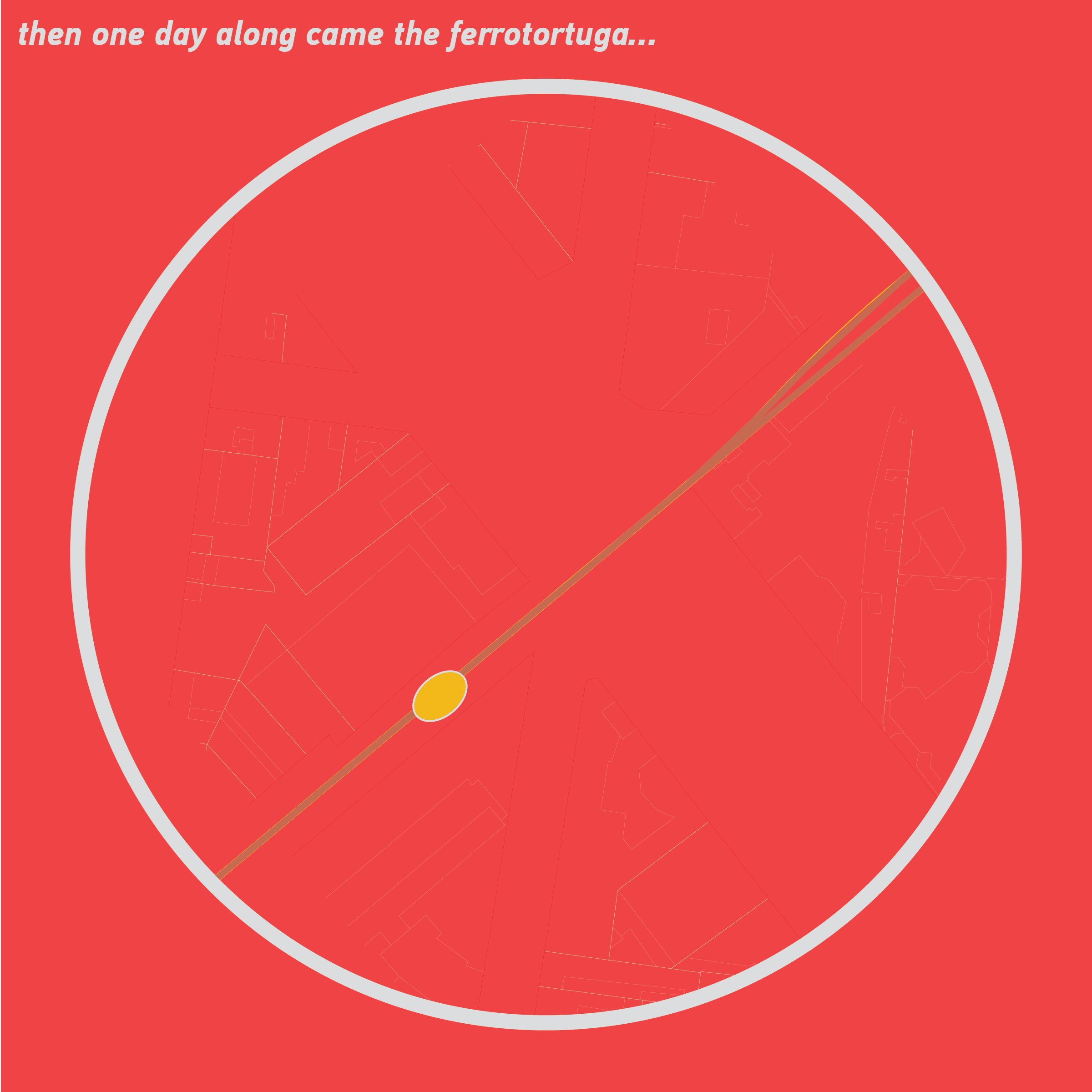
A dynamic, living metropolis, Mexico City faces well-documented problems. During its growth over the last hundred years, Mexico City has yet to fully address the implications of its car dependency and water scarcity. This project is a proposal for a new linear park along a still-functioning but rarely used rail line running through the heart of the city. The park would consolidate many existing parklets and walking paths into a coherent system, focusing on providing the city with much-needed green space for recreation and on mitigating major groundwater recharge issues that are causing the city to slowly sink.

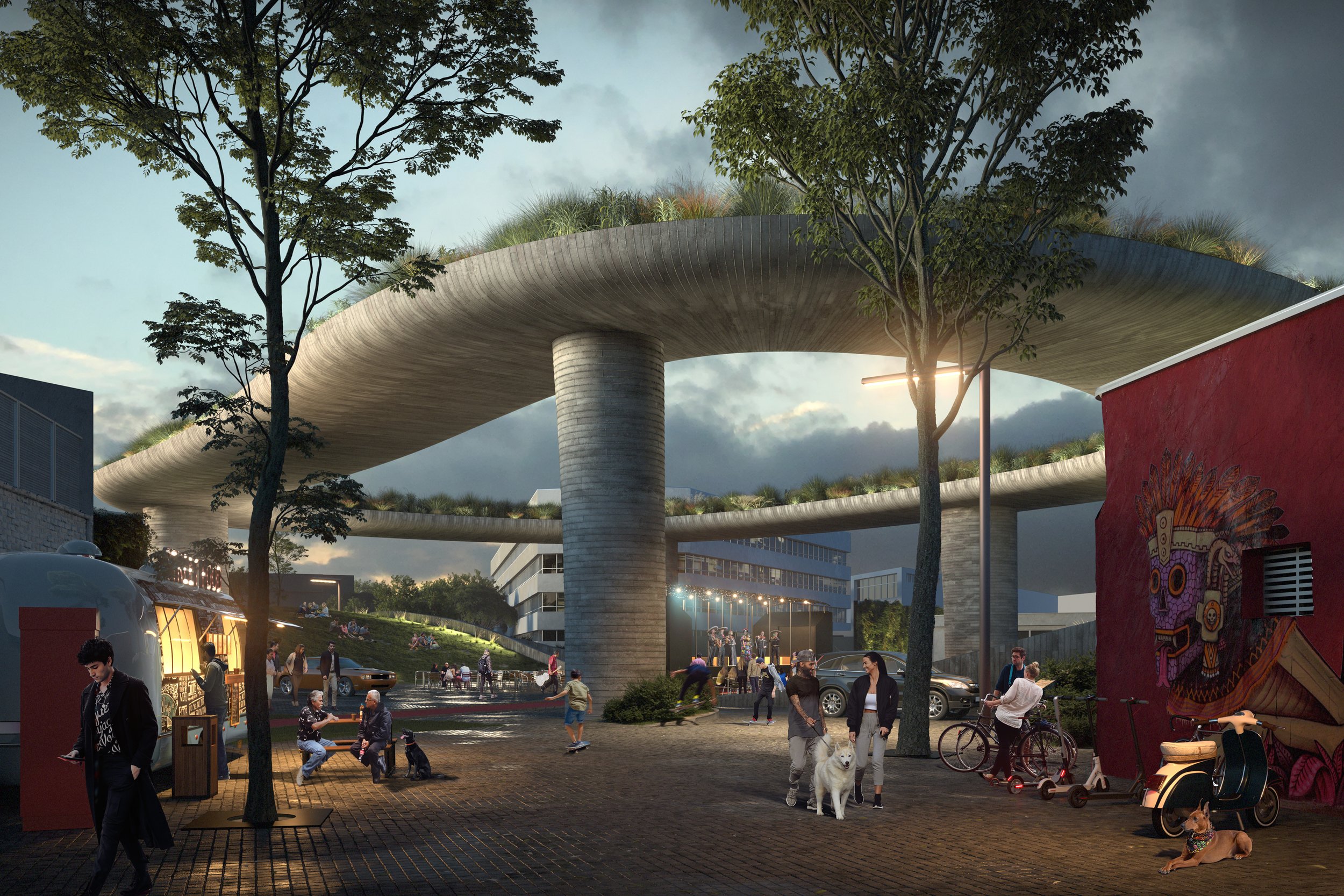
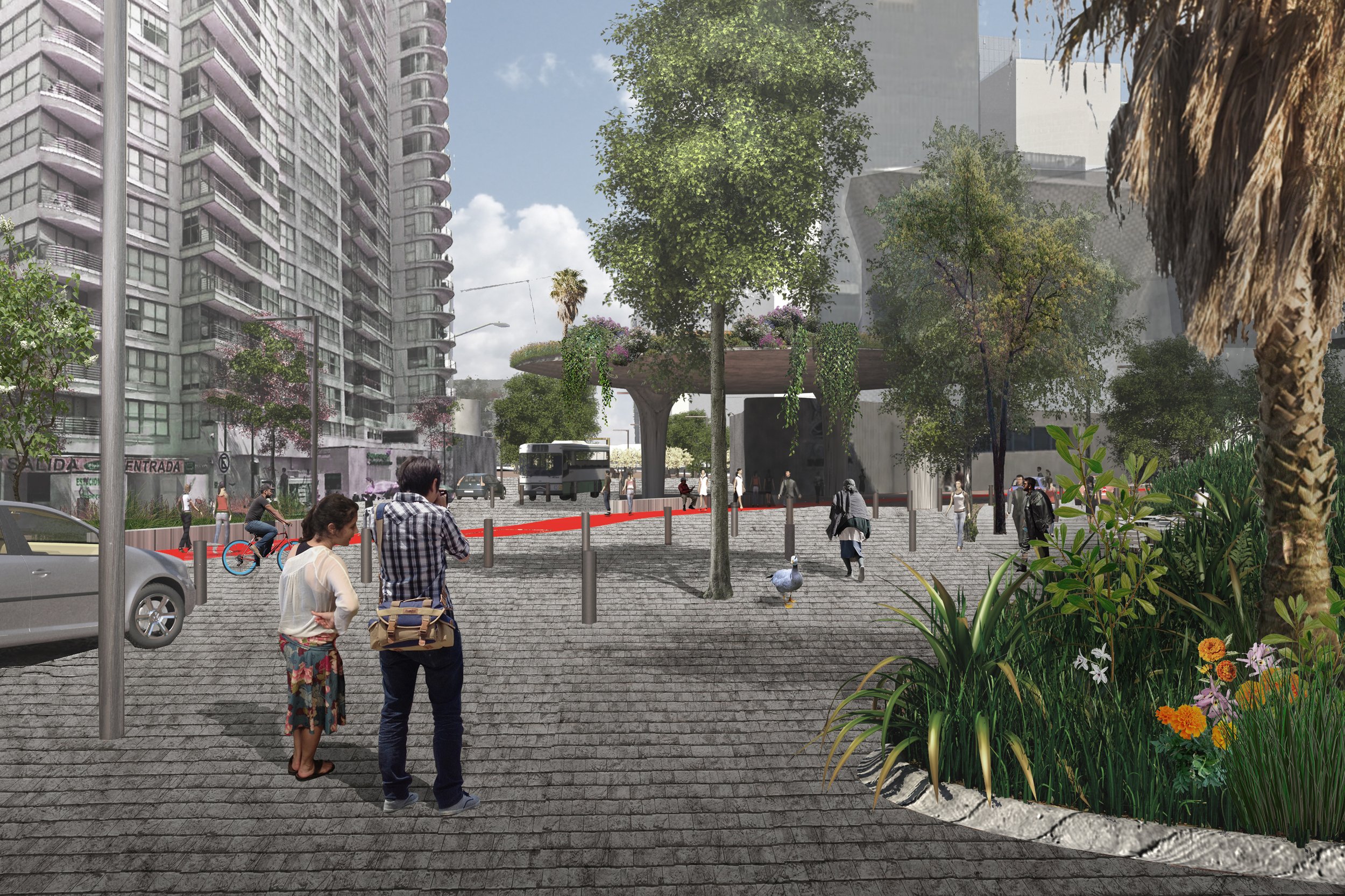
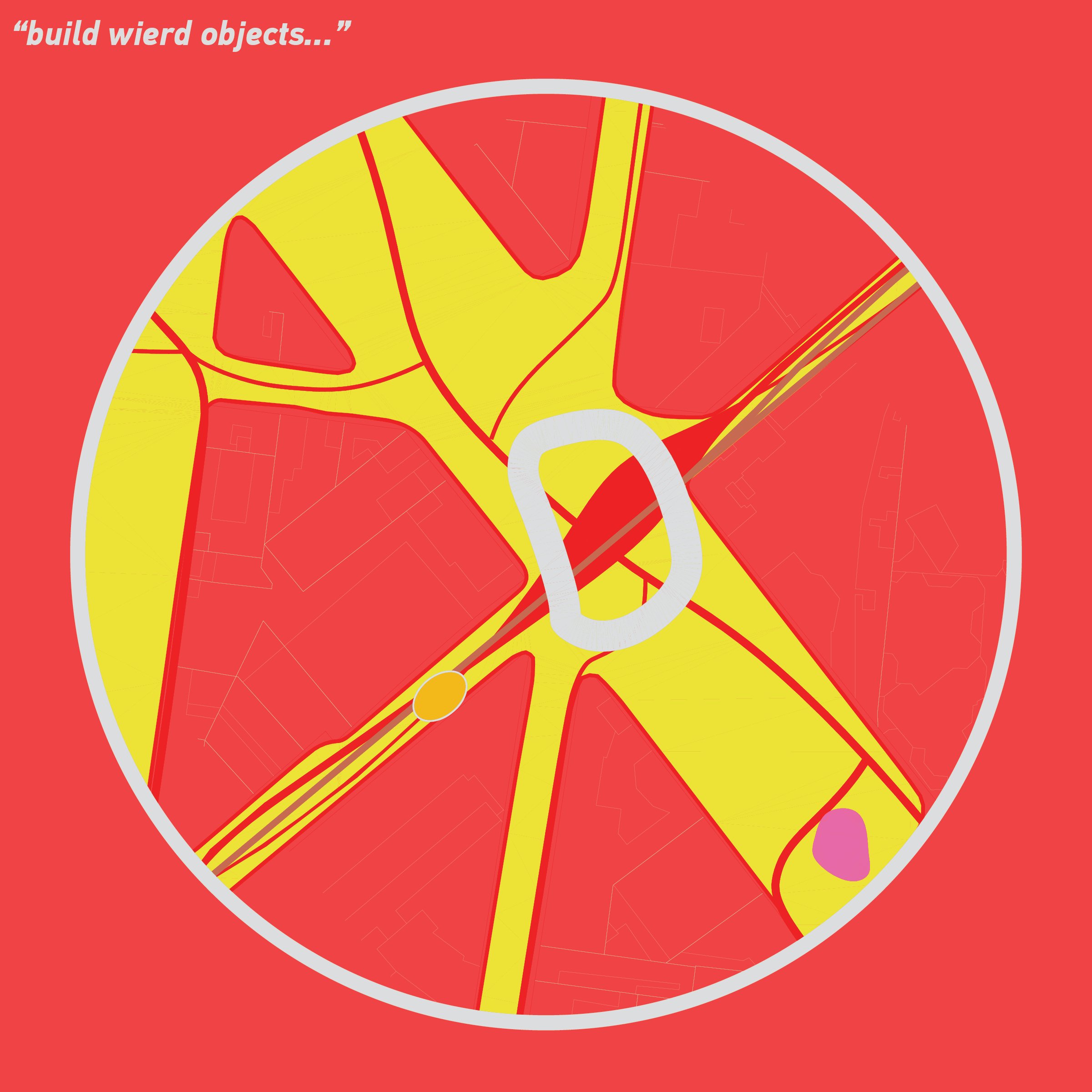
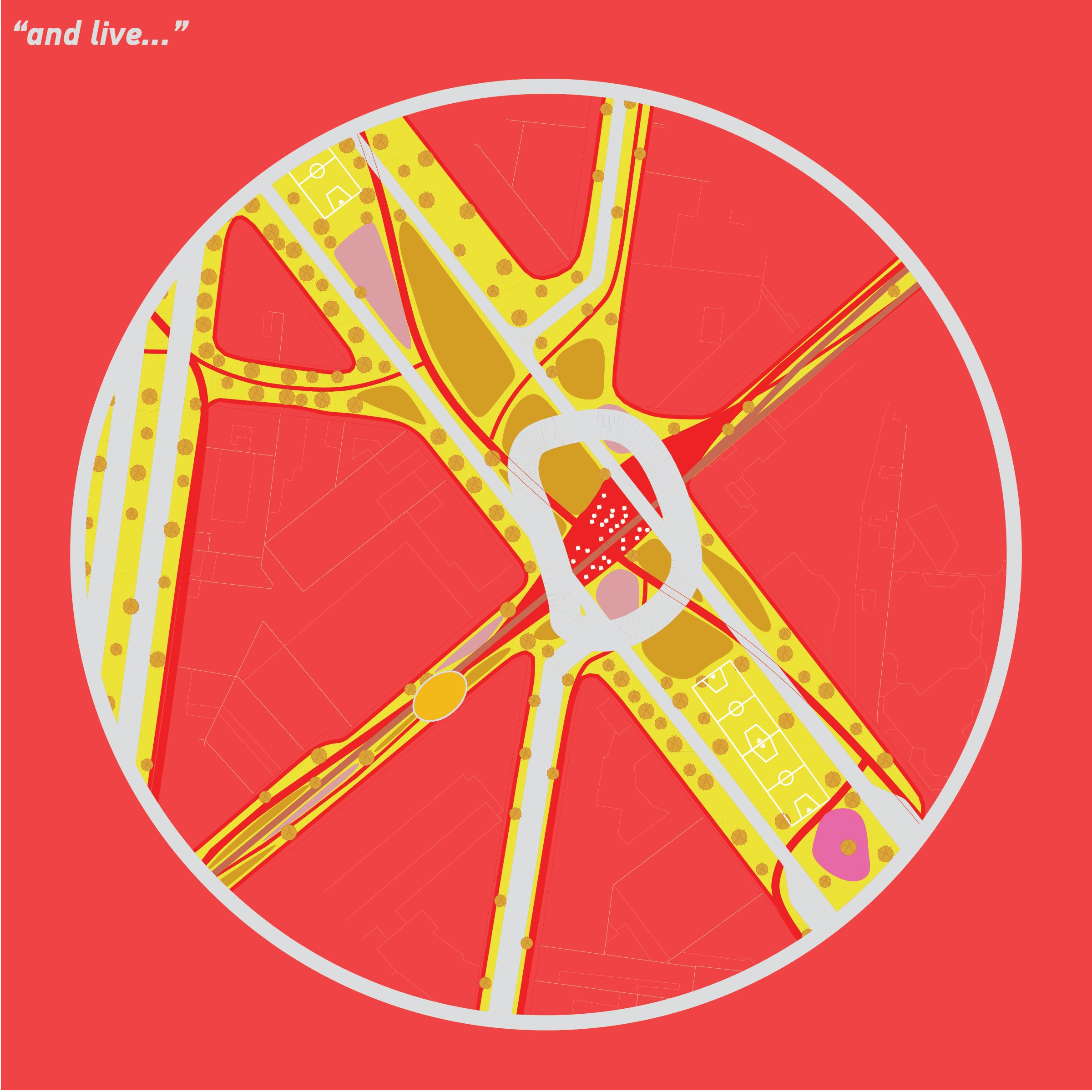
The project took its lead from a 21st-century reevaluation of the street. Once, streets were conduits of activity, but today they function more often as single-purpose barriers, obstructing pedestrian movement and yielding to cars. Acknowledging that cars are an integral part of the urban environment, this project argues that pedestrians and drivers should have equal access to streets. Reduced speeds, less delineation between sidewalk and street, and multifunctional surfaces that can toggle between serving as roads and serving as play spaces allow the park to extend into the streets, claiming every possible square foot of surface area. In the end, the new Cuernavaca Railway Linear Park proposal would give the city greater balance, accommodating the intensity of Mexico City’s urbanity while injecting a functioning landscape that will serve the city into the future.
Plan

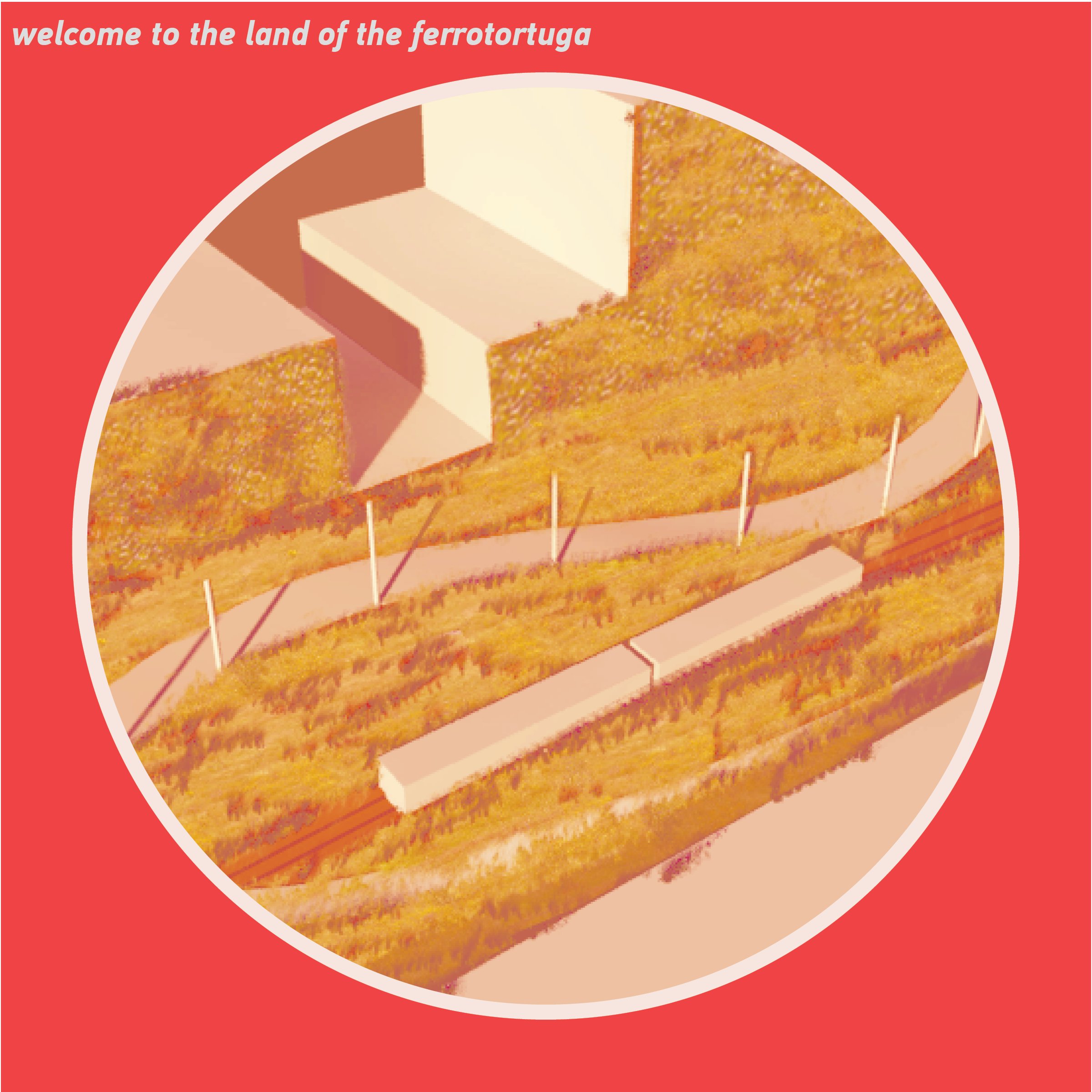
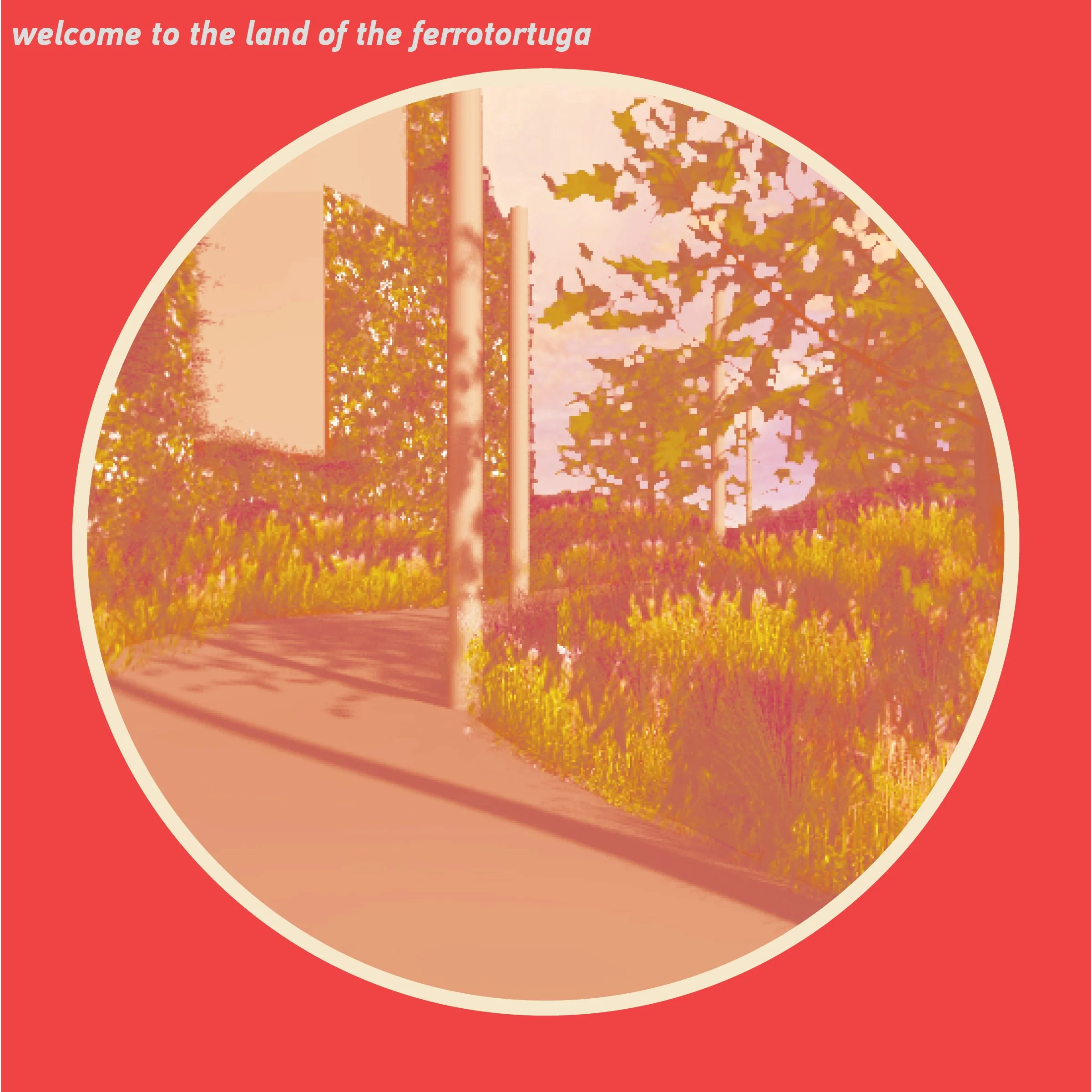
Appropriating the street space also provides the critical surface area needed to improve the city’s management of stormwater and groundwater. The project offers residents and visitors a diversity of ecology, landscape types, and experiences, many of which have been lost in the city’s expansion. These landscapes also offer space for the social programming that surrounding communities need. Here, the shelter of an underpass becomes a venue for sporting events, the Museo Soumaya becomes the backdrop to a new forum for the city, and a busy intersection becomes the centre for gathering the city’s detritus, a recycling centre and a lagoon for stormwater management. The park’s fluidity is captured most of all by the proposed Ferro-Tortuga, a rail-mounted platform that would move through the park, offering additional programs and services. At various intersections, the Ferro-Tortuga is a café; at others, a bandstand; and throughout, a means of moving both materials and people.
In the end, the new Cuernavaca Railway Linear Park proposal would give the city greater balance, accommodating the intensity of Mexico City’s urbanity while injecting a functioning landscape that will serve the city into the future.





-
JIM
James Huemoeller in collaboration with Robert Fitzsimmons