
Designing Recording Methods for Archaeology
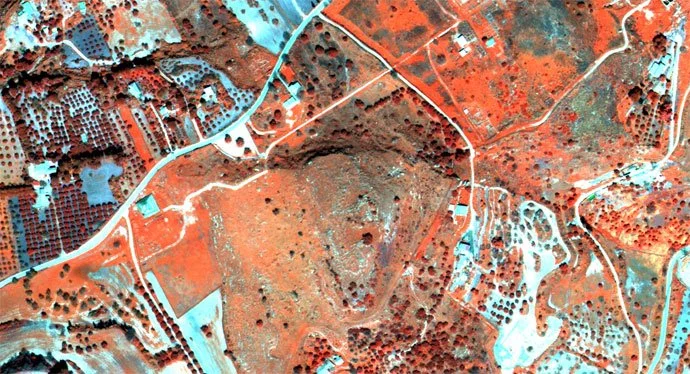
This GIS image shows the Morgantina excavation site in central Sicily.
For the past eight years, KieranTimberlake architect James Huemoeller has spent part of each year supporting the archaeological excavations for the Contrada Agnese Project (CAP), directed by Alex Walthall (University of Texas), at the ancient site of Morgantina in central Sicily. James’s work developing and implementing data recording and management methods for the excavation continues a tradition started by the Renaissance architect Raphael, who advocated for the systematic recording of ancient ruins to preserve knowledge for future generations in a letter to Pope Leo X.
Morgantina reached its peak in the third century BCE thanks to its fertile, grain-producing territory and its likely association with the wealthy empire based in Syracuse—the setting of Archimedes’ famous bathtub discovery of density. With no modern city standing above Morgantina, the site provides one of the best records of the prosperity and the elaborate urban infrastructure achieved in its time. Remains include a large agora, Greek theatre, large courtyard houses with early mosaics, and one of the earliest bath complexes, with an elaborate hypocaust system for underfloor heating.
Read the full article here.