James Huemoeller’s UBC SALA Studio Looking at the Future of Suburbia
This studio explores architecture within the indeterminate terrain that surrounds our increasingly monotonous, sanitized urban cores. Currently, those cores hold an outsized influence on urban thinking, but this will change. As architects, we must learn to endow those areas outside the centre with an energy that allows those communities to thrive as urban places.
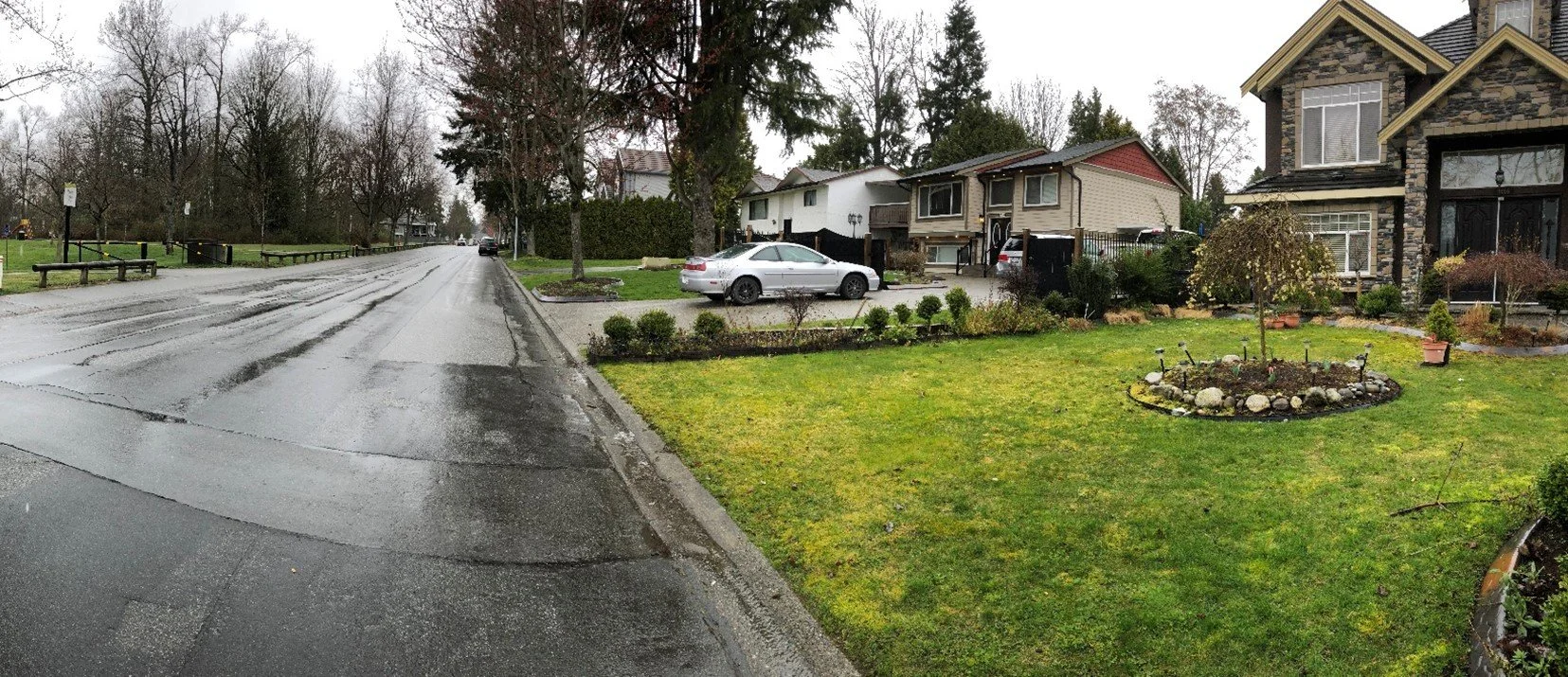
To do so means accepting a different kind of urbanism. In the centre, space is at a premium, and therefore the focus of design. At the edges, space is in excess, and landscape becomes dominant. The excess space means buildings are free to relish in their objectless, protected by mid-century zoning codes. Yet this freedom renders architecture in suburban contexts powerless to have any urban impact. A series of functionally separated zones (street, bike lane, planting strip, sidewalk, planting strip, parking, lawn) means architecture’s only hope for a transformative urban project is through spectacle, Denice Scott Brown’s Vegas Strip.
As we inevitably move beyond car-centred development, we can no longer embrace the reality of the suburbs the same way. Instead, we must find a new avenue for operation that rejects the “decorated shed”: as well as the derivative New-Urbanist villages that came later, but also acknowledge that the genie is out of the bottle: any attempt to reform the suburbs into a traditional urban fabric is impossible.
In other words, we must abandon our obsession with the core and embrace the mess we have made, but with more optimism about what architecture can achieve.