
James Huemoeller Talks at Spatial Justice Futures: New Architectures of Resilience and Equity
The UBC SALA faculty roundtable series concluded with a discussion of spatial justice futures from Tania Gutiérrez-Monroy, James Huemoeller, Sara Jacobs, and Sara Stevens.
James Huemoeller delivered a presentation titled ‘Architecture by Whom”
As an undergraduate, I had a professor who once planned several of Philadelphia's mid-century housing projects. He often complained about the problems they encountered because the residents didn’t understand what the planners were trying to do for them. In his bitterness, Philadelphia's story became one of great men and great buildings. During one particularly racist anecdote, a black student stood up and walked out. We were all horrified, but no one joined her.
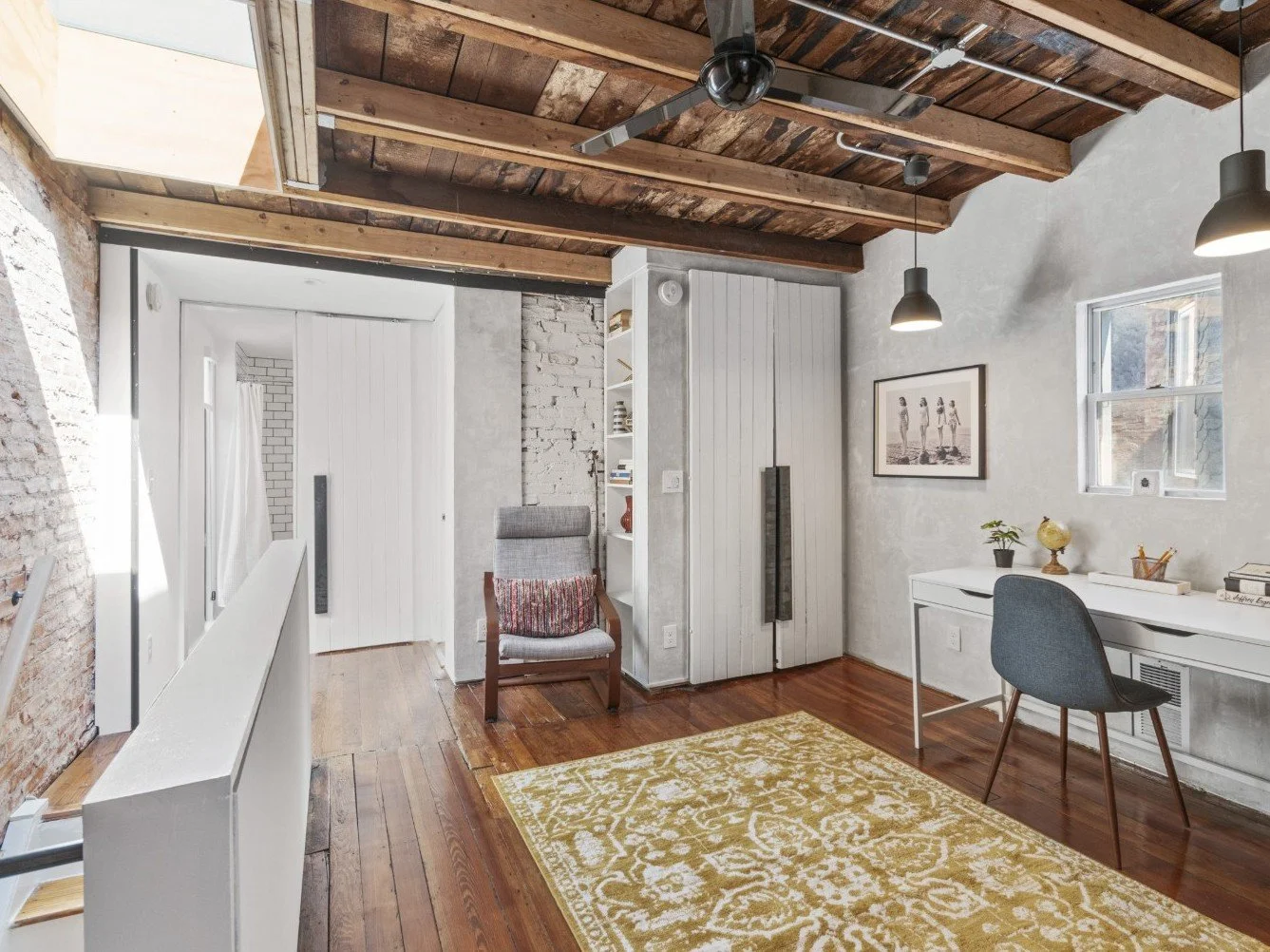
Years later, I renovated a home in Philadelphia on a street between a black and an Italian neighbourhood. When we arrived, the street was a diverse mixture of people, including many young families and several who owned boutique shops, cafes, and bars within the city. By the time we sold our place just two years later, the rising rents we helped produce pushed out the remaining black residents.
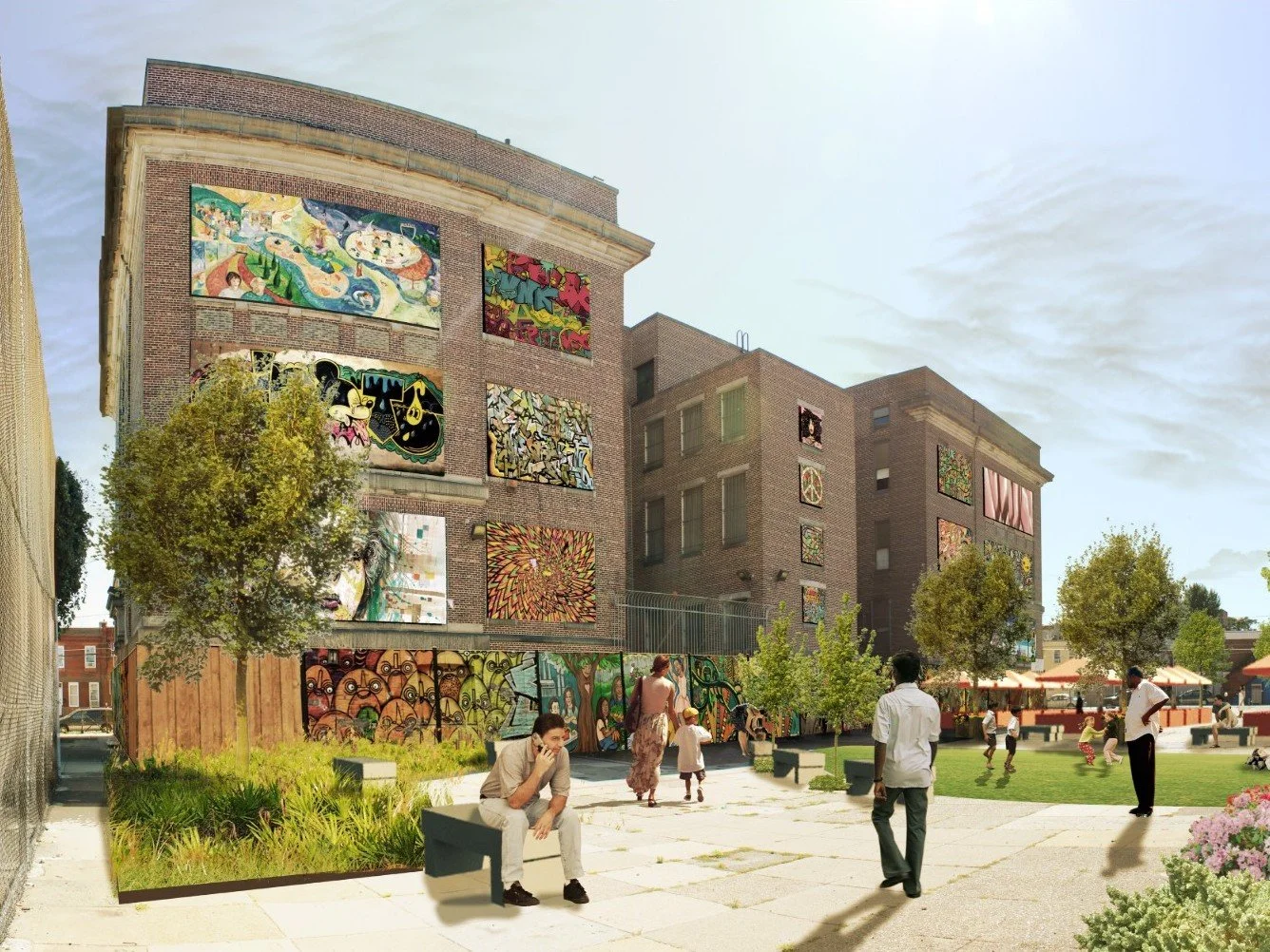
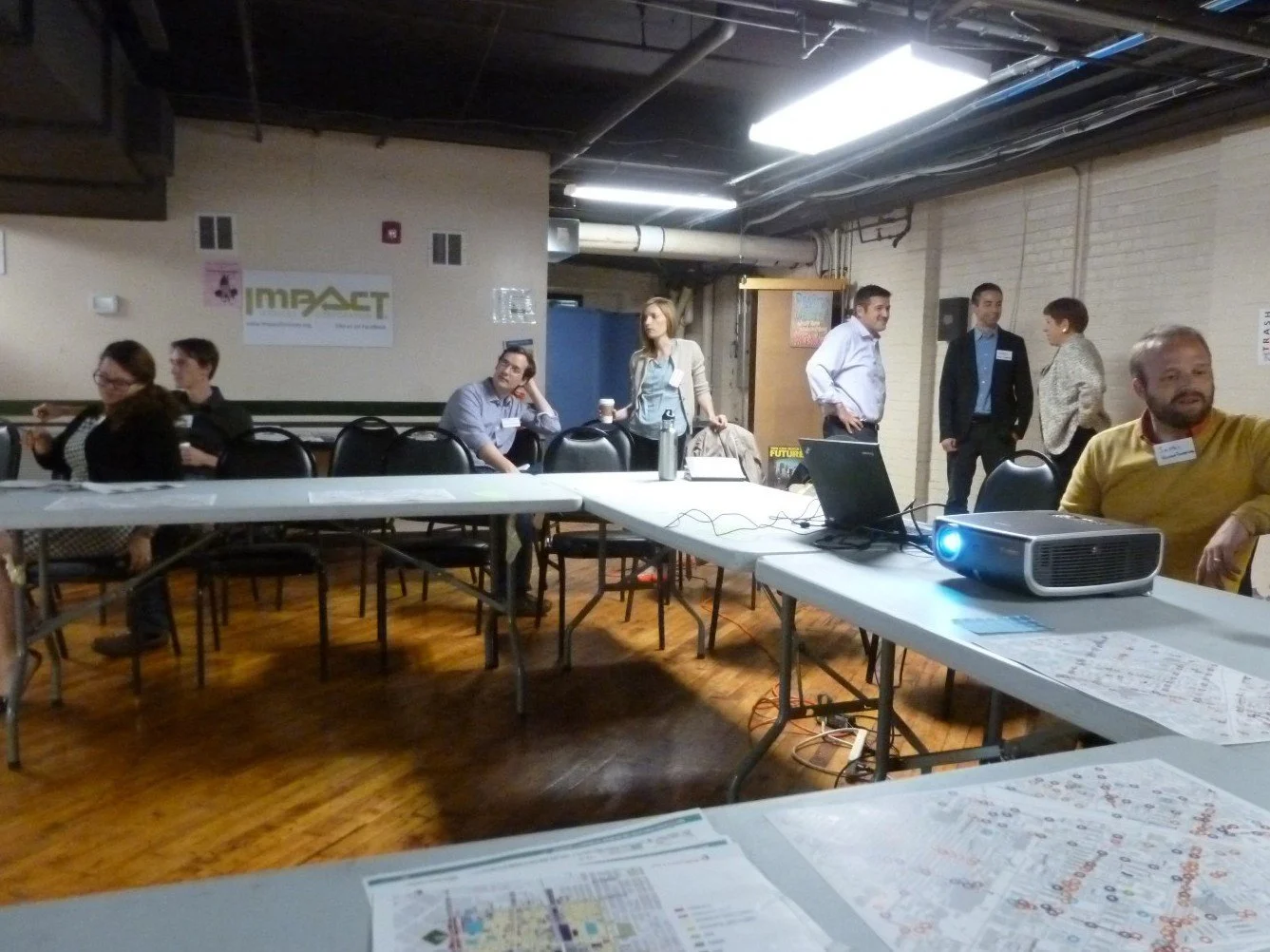
During that same period, I led a project with a local community design group to repurpose the city's many closed schools. In the community engagement sessions, community members from these predominantly black neighbourhoods sat on one side of the table, demanding ideas that would bring fundamental change; on the other were predominantly white architects, developers, and planners focused on the symptoms. We listened and worked hard to incorporate their comments, but it was clear we had progressed little since my professor’s day.
Despite the rhetoric you may hear, the world sees architecture as an avenue of empowerment. But that becomes limited when the profession remains unrepresentative.
For licensed architects, the data is even worse. As Kendall A. Nicholson reports in “Where Are My People? Black in Architecture”, amongst the most prestigious occupations in 2017, only 6.3% of the architecture workforce was Black compared to the 13.0% Black population in the U.S. For women, it is not much better. As Kendall A. Nicholson highlights in “Where Are the Women? Measuring Progress on Gender in Architecture”, diversity isn’t new for student bodies but rather, after graduation, when you get your license, start a firm, or even take our jobs, the representation of women gets worse with each step up the ladder.
Anecdotally is seems like the profession remain largely white, male, able-bodies, heterosexual, but is that still true or a legacy of our architectural history courses?
Does data exist and if not, how do we re-sponsibly obtain data on the diversity of the profession that we can trust? Who sets DEI benchmarks and who holds the profession accountable? AIBC? WorksafeBC? AFBC? What are the forums for dialogue within?

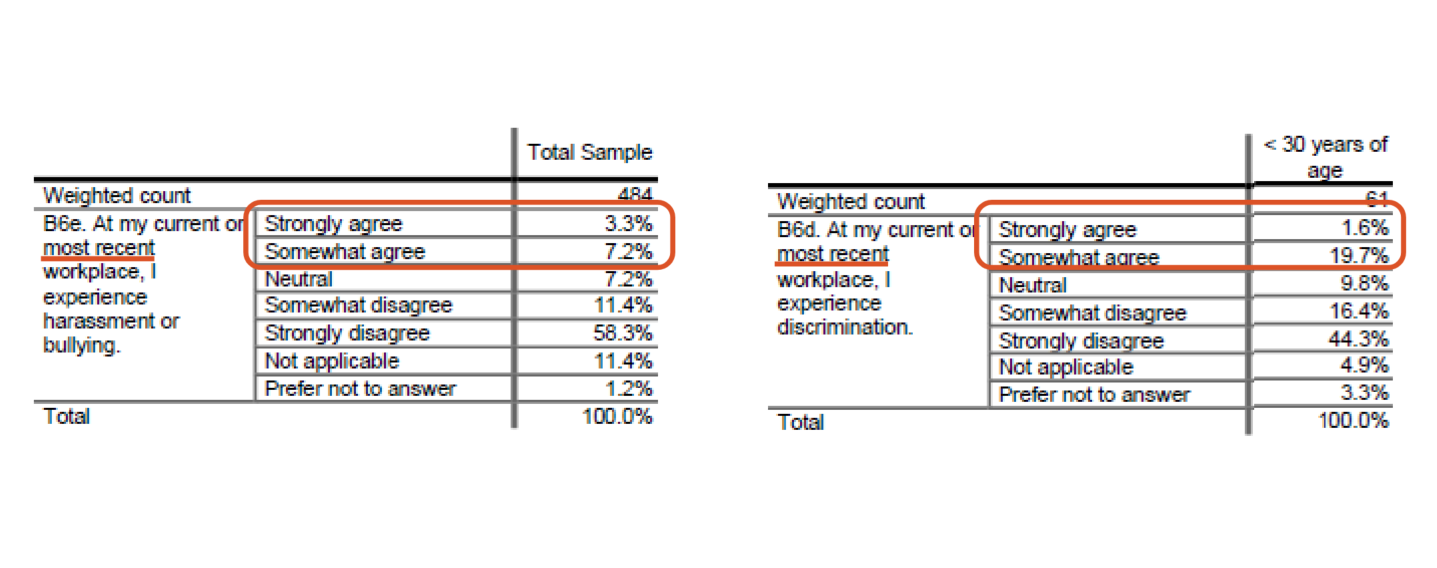
A few years ago, three architects, Megan Chalmers, Matthew Joseph and Andrew Lockman, sought to understand the situation in BC, starting with anecdotal evidence and many questions. They then engaged the AFBC, the province's architects' advocacy group, to form the IDEA committee to unpack the situation. They began with a survey, which helped the group better understand the experience of architects and interns working in BC. For example, how many people experience harassment or discrimination? That data led to questions. And answers that prompted action. As a response to this particular problem, we turned to an organization you may all know: the AIBC, the regulator of architects in BC.
The AIBC often sends emails known as the green sheets. These sheets are public shaming devices to ensure people follow the AIBC Schedule A Code of Ethics and Professional Conduct. For example, this person called themselves an architect on their YouTube page, and, therefore, they will be punished. The IDEA committee noted that no one has ever seen the AIBC reprimand an architect for an unsafe workplace. And despite having a statement in Schedule A that explicitly requires architects to create safe workplaces. We aim to collaborate with the AIBC and WorkSafe BC to educate and hold firms accountable. Hopefully, we can create a better environment that fosters a more representative profession at each stage, including the top, where awards are won, but diversity dissolves.
…
It seems only a select few have the prestige that comes with designing critical cultural landmarks, such as the National Juneteenth Museum in Fort Worth. That project is being designed by a firm you all know—BIG.
…
When I founded my firm, I did not want to be BIG. So, I became JIM. Unfortunately, when I moved to Vancouver, I quickly realized that no one would answer your calls unless you were big. So, other small firms and I formed The Field Collective to support each other and push back collectively. We started with some principles. For example, we believed supporting small firms meant supporting diversity. As with the AFBC IDEA Committee, we did another survey to confirm our intuition. We were wrong - there was a lot more work to be done.
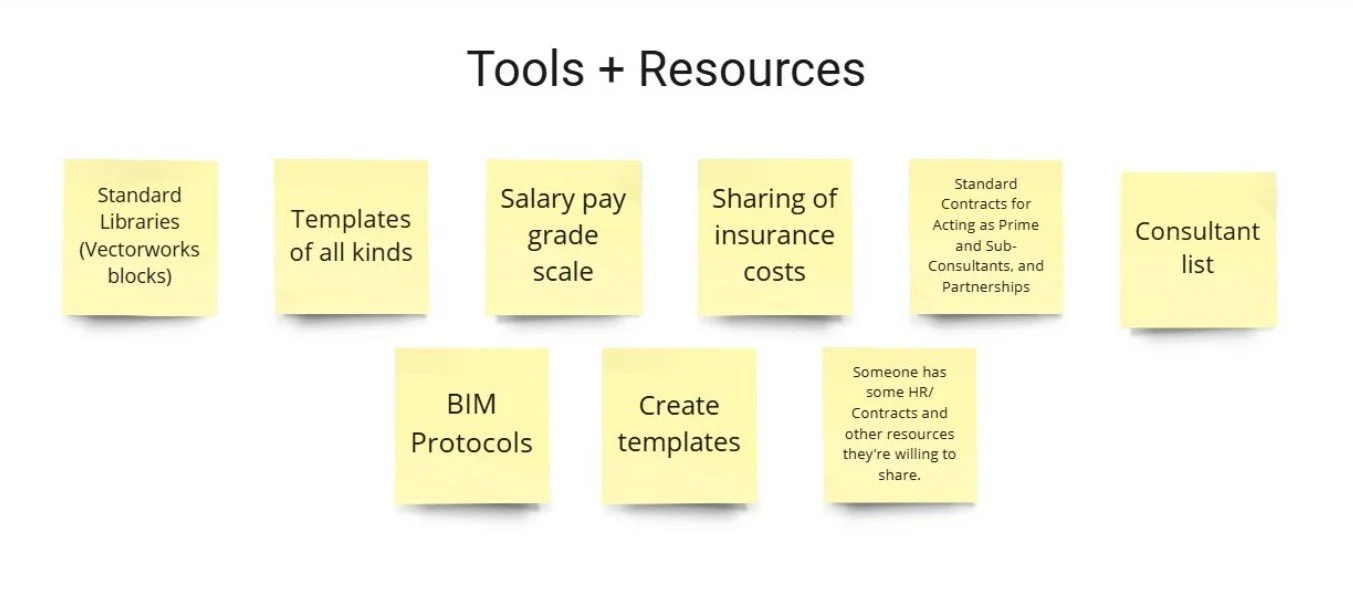
So, this year, we are committed to creating infrastructure to support individuals interested in making the leap, hoping to give more people an opportunity to shape a practice based on their unique lived experience and supply BC with a wealth of new ideas.
During the UBC application process for this job (Assitant Professor of Teaching), I had to submit a diversity statement that included much of what I have presented here. Now that I am at UBC, I have noticed that when I send emails, people respond, so I plan to continue to use my privileged position and my time to continue and support many of these initiatives so that in the future when people look across the table there is at least some level of understanding from the faces looking back that never existed in the stories I initially told.