
Davies Orchard Receives Provincial Funding
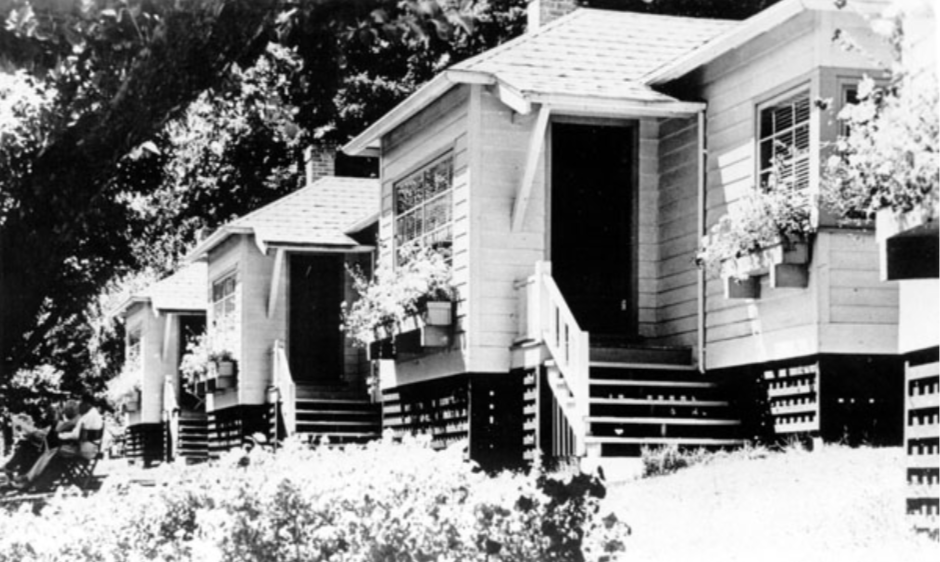
Davies Orchard, part of the larger Crippen Regional Park, received funding under the Community Economic Recovery Infrastructure Program (CERIP) and is one step closer to initiation.
For more information, click here for the Bowen Island Undercurrent article.
For the last three years, we have been working with Metro Vancouver to build on the planning study completed in 2017 for the site. This effort illustrates one of our core processes. People often bring preconceived ideas to projects about the processes and materials required to achieve the stated goals. At JIM, while building on our experience, we do not bring a specific design agenda to any projects we take on. Instead, we seek to identify problems and opportunities unique to a project and, in turn, look for design solutions tailored to those specificities. We therefore ask that everyone, from the client to our consultants, approach the project with an open mind. Our experience shows us that problems will develop on any project, but they are typically not anticipated by anyone. Issues encountered in previous projects are rarely repeated in the next. Throughout the document, we will present traditional building products and methods in a new light, encouraging everyone to reconsider their expected design options for the project.
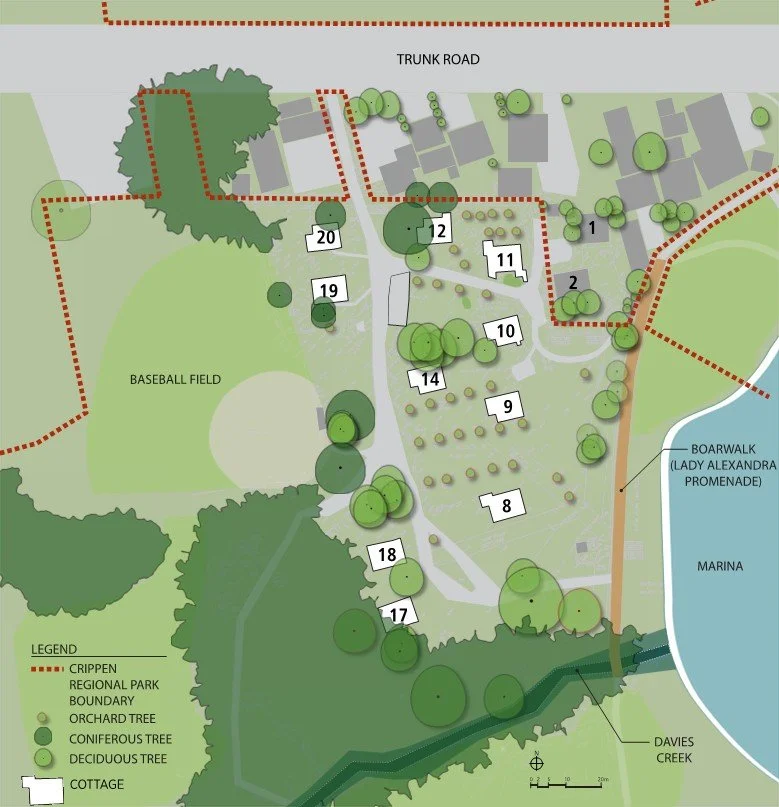
From Davies Orchard Planning Study by Space2Place
For Davies Orchard, we see the project’s goals as two-fold: (1) Preserve and make legible the long history of Davies Orchard, and (2) renovate the facility to better accommodate a public program and community events.
JIM follows a philosophy of preserving cultural heritage that stresses two best practices. One is that keeping our history must make the past clear and understandable. The Davies Orchard Project will involve all three means of heritage conservation: preservation, rehabilitation, and restoration (as defined by the Standards and Guidelines for the Conservation of Historic Places in Canada), with the latter used only as a last resort. This approach best protects the “character-defining elements of a historic place to retain its heritage value and extend its physical life”. A vital component of the preservation process is that we complete any additions or alterations in a manner that distinguishes between what is historic and what is new, while remaining compatible with the historic building and its setting. History is significant, and we value its story and contribution to our sense of place in our communities.
The second value we follow is that the preservation project must always value our heritage as an artifact of the past and an asset for the future. The concept design for Davies Orchard takes this philosophy to heart as the project’s primary goal is not just to preserve the existing structure but to overlay that history with a new public program. That public program will encourage the community and visitors alike to experience the park, its setting, and its history, and to use the venue to create a new history that will redefine Crippen Park in unexpected ways by a new generation of Bowen Islanders.
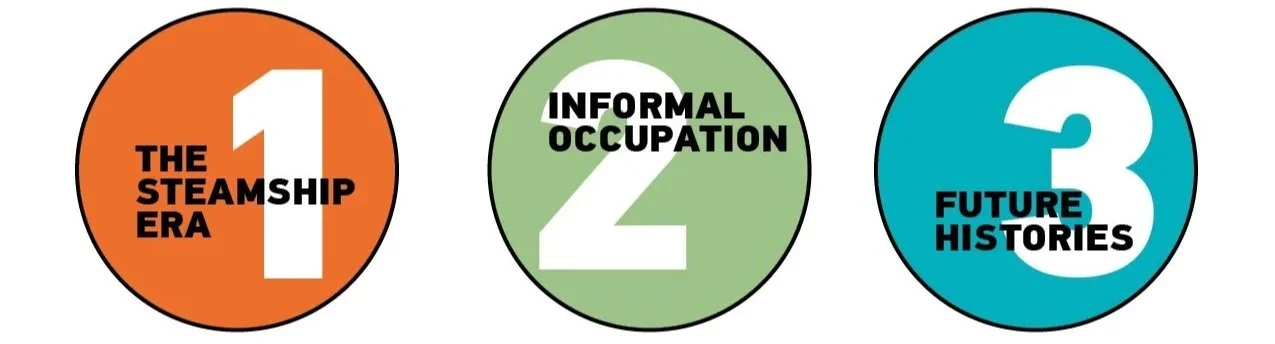
To accommodate both stories, those of the past and those in the making, we propose an approach that breaks the structures into three components or “histories.’ The first is the original construction, perhaps best exemplified by Unit 10, the exterior finishes of the other cottages, and the windows. As such, our proposal will look to preserve and rehabilitate those elements. We will also seek to have each Unit restore the interior finishes to their original rustic character to the extent possible while installing modern systems and assemblies.
The second history is the later occupation of the structures from the 1950s to today, almost 65 years, during which the island transformed from a place focused on recreation and resource extraction to the community it is today. The preservation of this history will be limited to the patios and back additions of units 12, 14, 18, and 19. In particular, we intend to salvage or restore the patio of Unit 12 as much as possible as a memento to a period in the island’s life that we believe should be celebrated. The state of that patio is poor, but we feel that it best represents the spirit of the latter life of the cottages. The remaining additions will match the character and feel of the original structures, enhancing cohesion across the buildings.
Our last history will, of course, be the one yet to be made and will involve the components required to make the Orchard a successful public facility. Much of this work will include integrating systems or modern equipment and fixtures, but two areas we would like to highlight are the main gathering spaces in Units 12 and 14. As these will be public spaces, the residential ceiling height of 8 will likely be too low for comfort and will need to be raised. As this will not be an original feature of the building, we propose a modern intervention that responds to the past while reshaping the space. We also see an opportunity to continue that theme in the pavilion at what was Unit 11, with a similar installation that reinterprets the original cottage, ensuring continuity across all the public spaces at Davies Orchard.