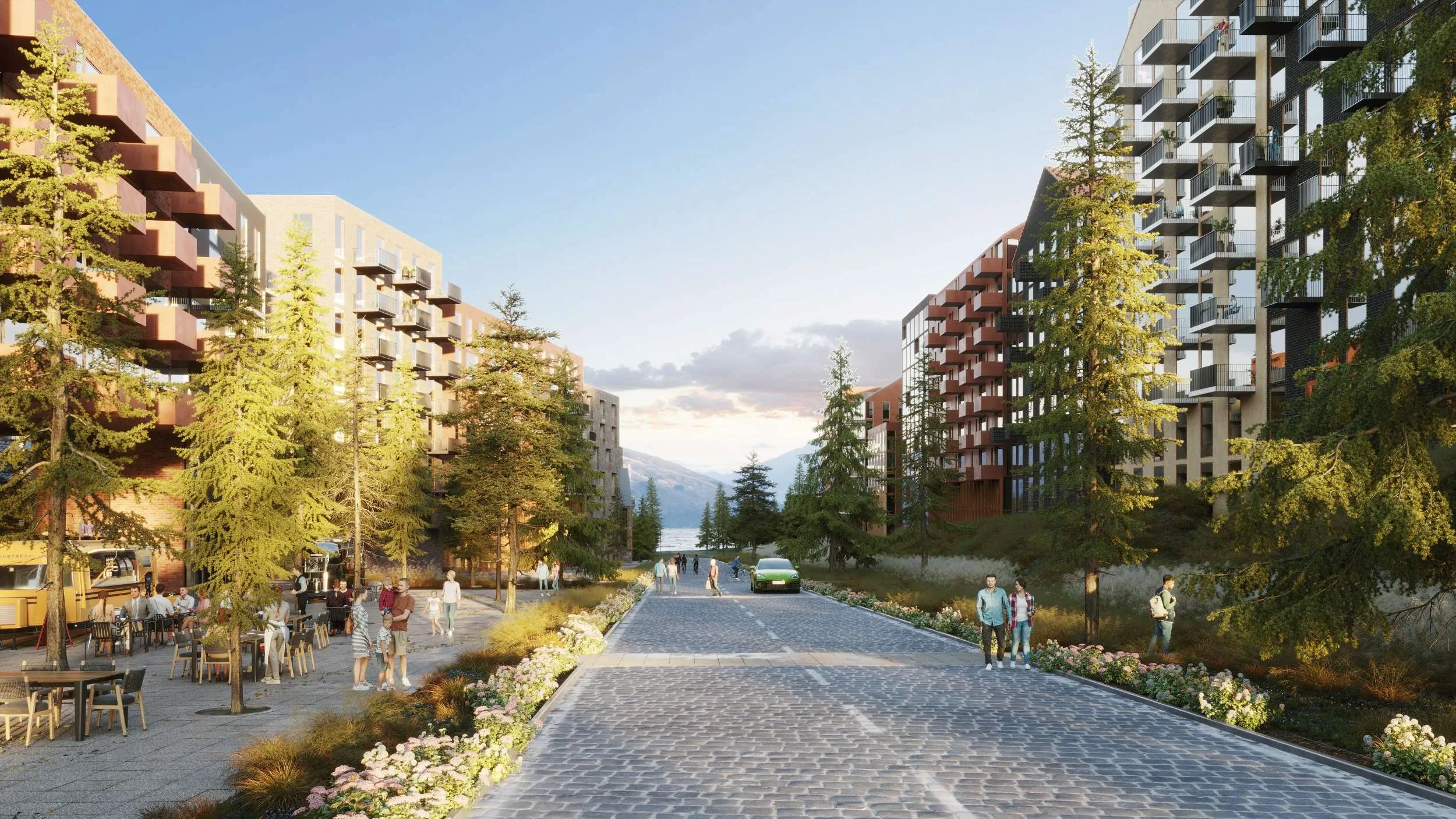
JIM Architecture presents an Urban Vision to Westbank First Nation
JIM Architecture presented their concept to the Westbank First Nation for The Bluffs which balanced the ideas of ecological restoration and active communities.
What existing assets make the Bluffs unique?
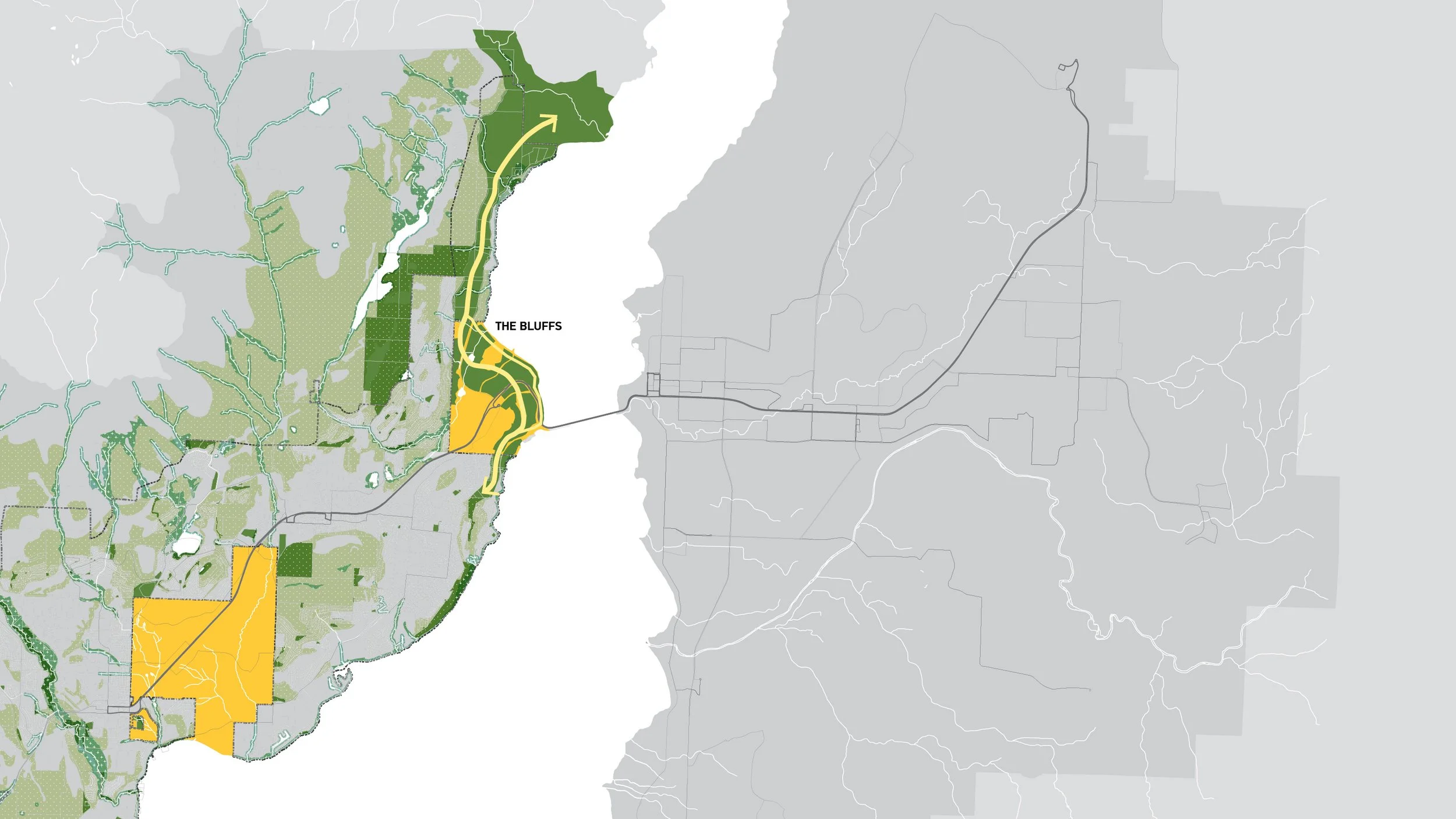
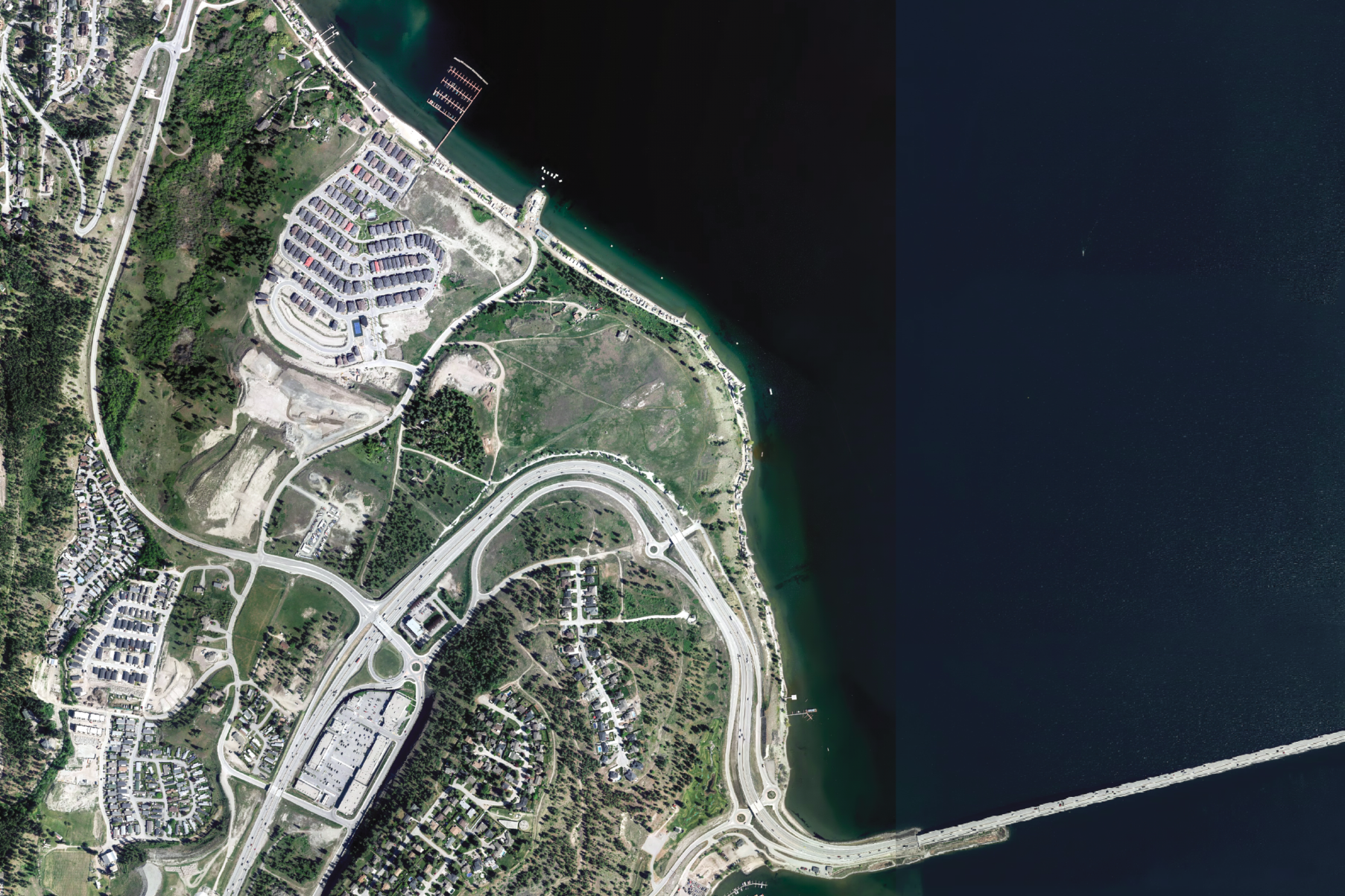
The Bluffs is situated at a critical intersection. It is the east-west link between Kelowna and West Kelowna, and north-south link between regional parks and lake recreation.
The existing assets include meadows. bluffs, beaches, and forests.Estimations suggest that more than 85 per cent of the wetland, valley bottom and associated riparian habitats has been lost in the Okanagan and many of the remaining wetlands are highly fragmented. 80 per cent of wildlife in our area are either directly dependent upon wetland and riparian ecosystems, or use them more frequently than most other habitat types. Okanagan wetlands contain crucial habitats for some rare species, including Tiger Salamanders and Great Basin Spadefoot Toads (Source: City of Kelowna, https://www.kelowna.ca/our-community/environment/sensitive-areas) This presents are opportunity to expand this important regional ecology.
The lake-wetland ecosystem is among the most important ecosystems on Earth, defined as the wetlands formed by the swamping process around the shores of lakes or shallow lakes.(Source: X. Xu, et al, Lake-wetland ecosystem services modeling and valuation, EcosystemServices, Volume 33, Part A, 2018, pp. 19-28, ISSN 2212-0416, doi.org/10.1016/j.ecoser.2018.08.001.)
How can we keep this unique landscape at the heart of the proposal?
By focussing on what makes urban places great. This includes access to wilderness, big views, revitalized waterfronts, and livable landscapes.
How can parks enhance The Bluffs and Benefit WFN?
Parks provide recreation opportunities, public trails, expand access , and embrace unique ecologies.
How can we improve ecological performance?
Some strategies include:
1) Reconnect the ecological corridors.
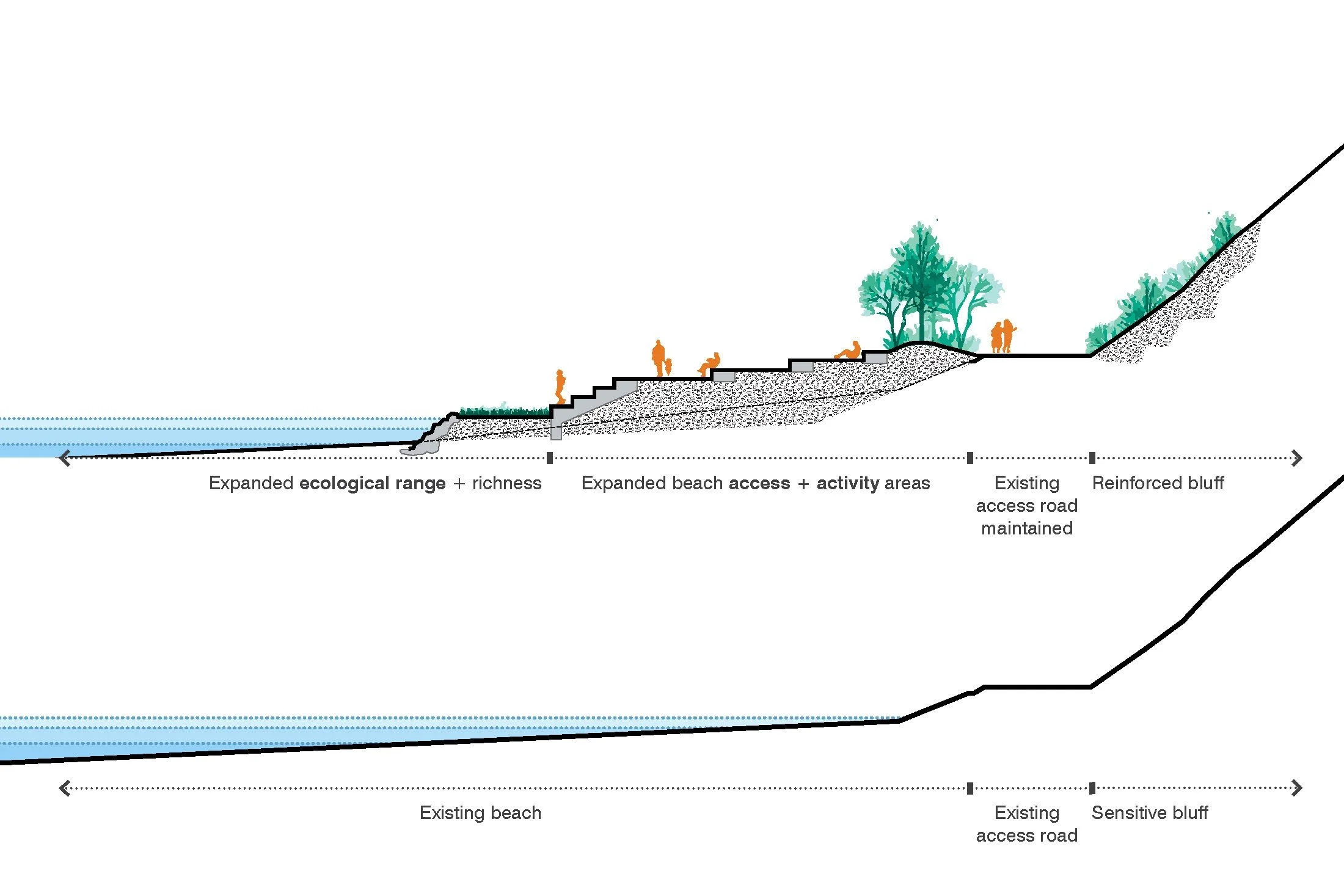
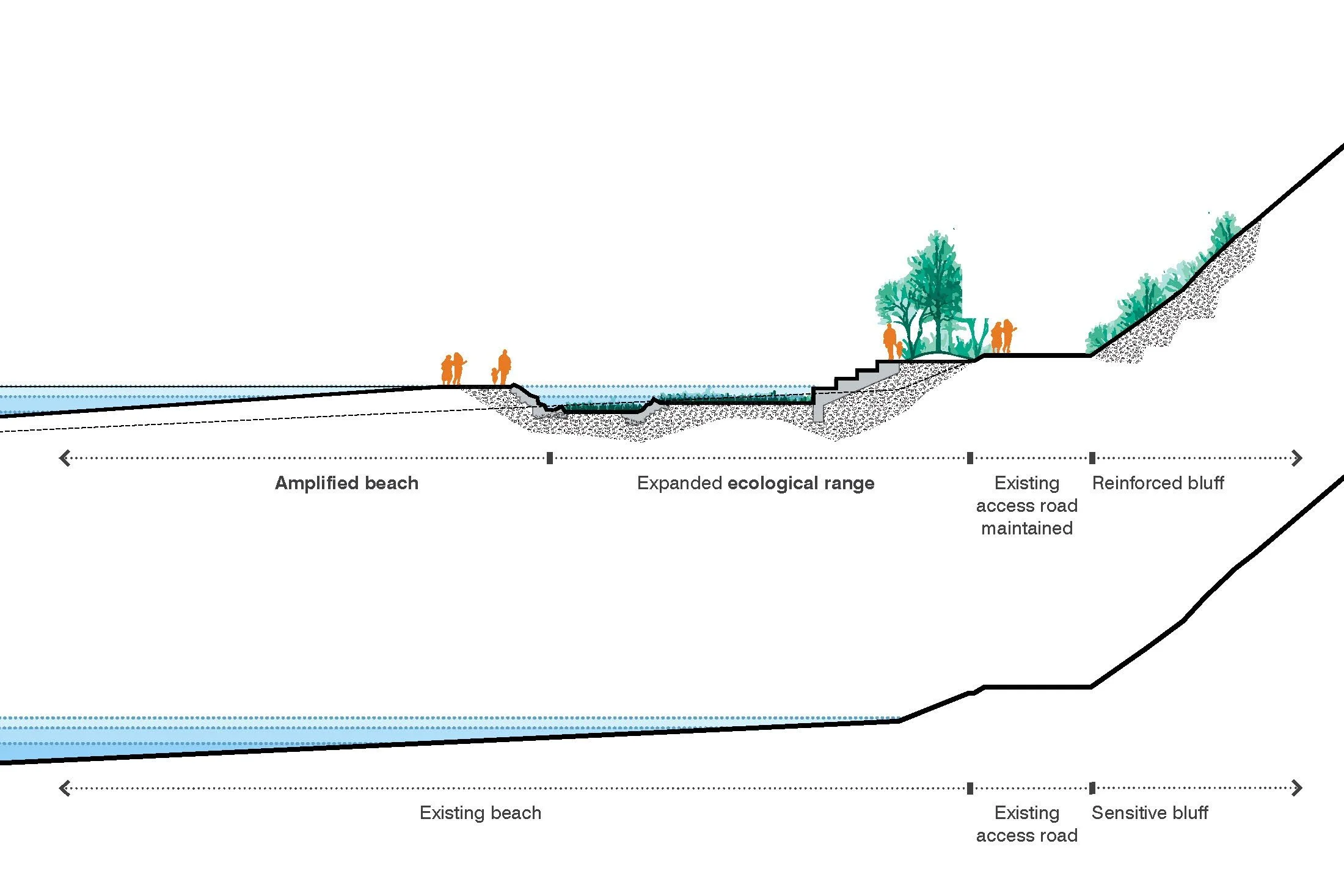
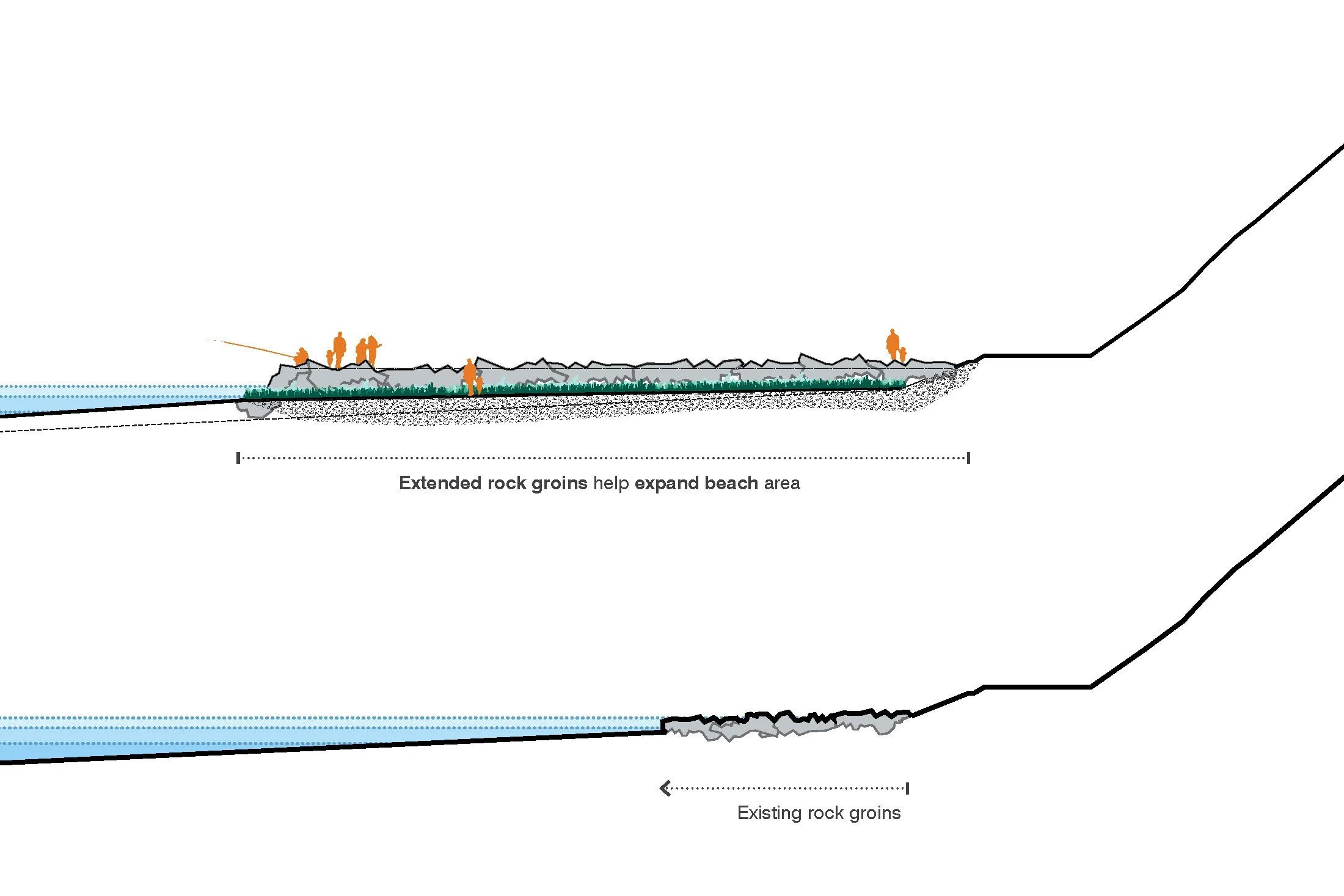
2) Restore and expand lake edges.
3) Improve ecological diversity.
4) Introduce wild urban landscapes.
How can those strategies rebuild helathy ecosystems for nature and people?
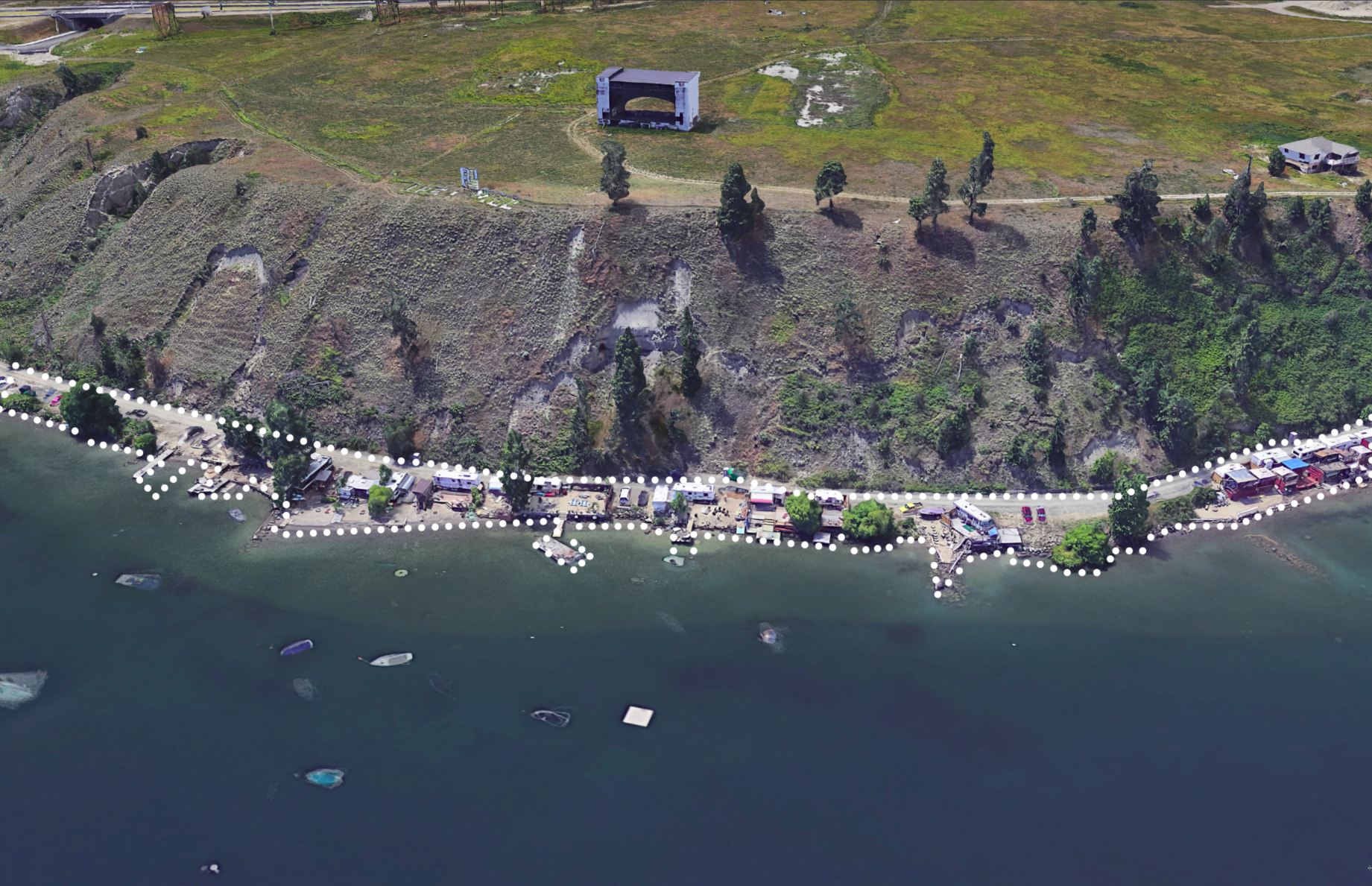
Through the ecological restoration and expansion of lake edges.
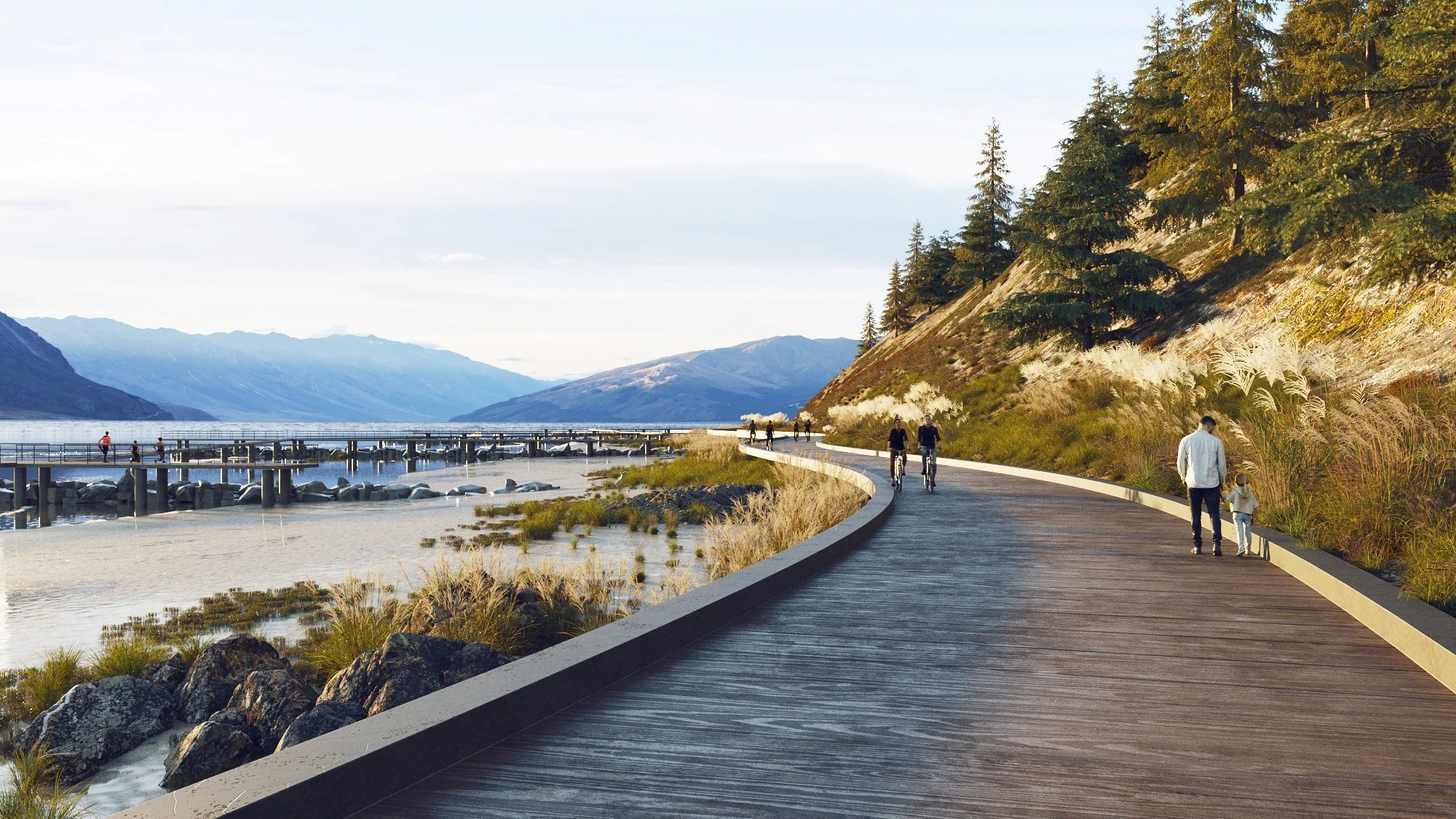
How can park as centre shape the new community?
The plan that follows should be understood as a framework, rather than a “master plan.” Implementation will occur over years, and the project’s life will last much longer. No one plan can possibly anticipate the changes that our global societies and the Central Okanagan will face in that time. So, it is critical that the plan stay flexible to adapt to future uncertainty. This plan is more guide, with clear directions, than definitive choreography.
That said, it is important that the plan provides a clear outcome based on a well-defined vision. Even as the means to achieve the vision may change, the intention will not. Framework plans are not new; master planning lacks the flexibility to be done long term. However, the risk with framework plans is the vision is so poorly defined, the outcome fails to achieve the values behind the project. It is therefore critical that the outcome is clearly defined from the outset with a specific vision to guide future decision-making during implementation.
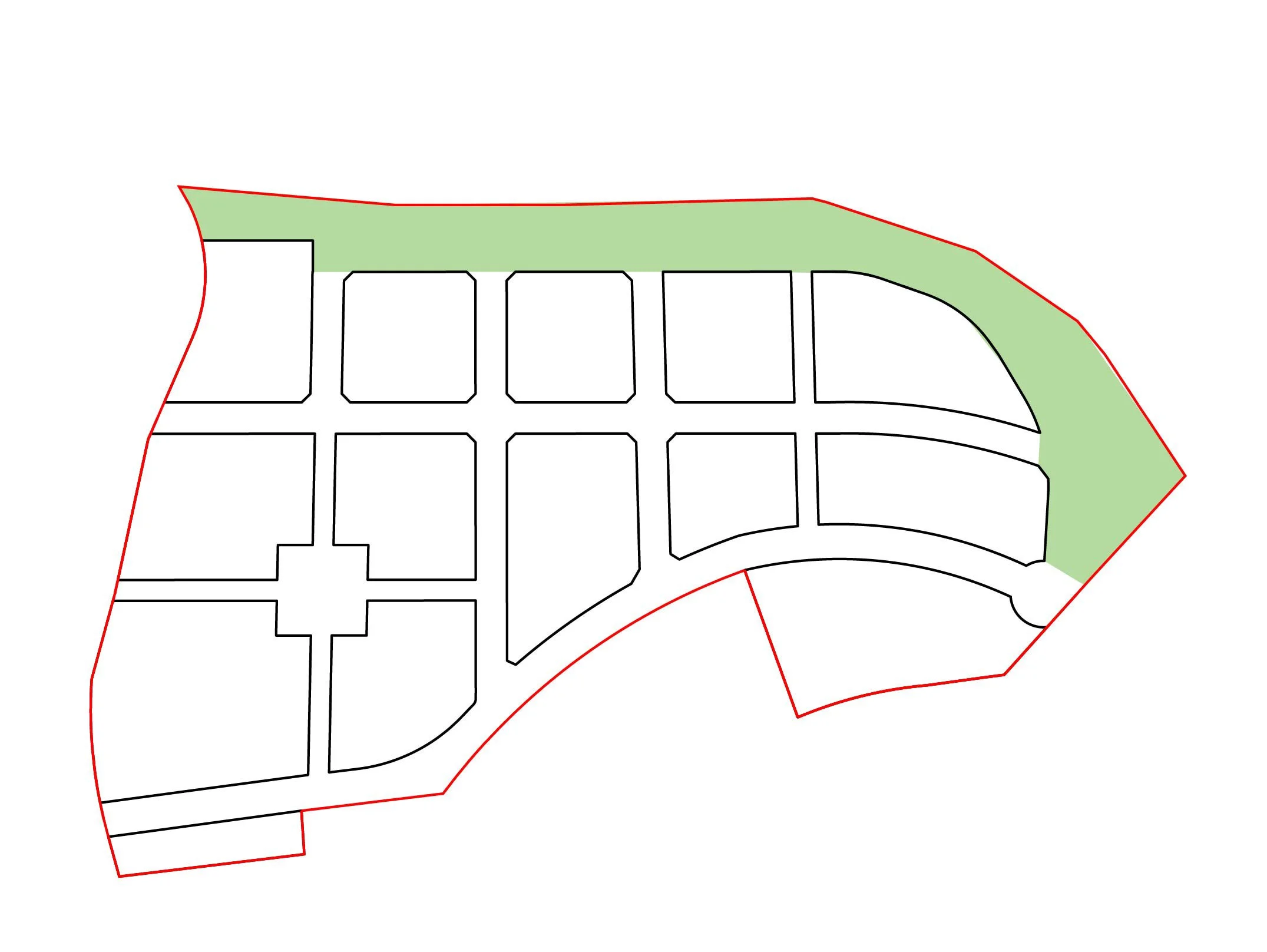
Thus, the Plan presents a vision for The Bluffs. Visual imagery, diagrams, and the other drawings aim to describe clear design intent, even as specific outcome continue to evolve as the project develops, even after its initial implementation.
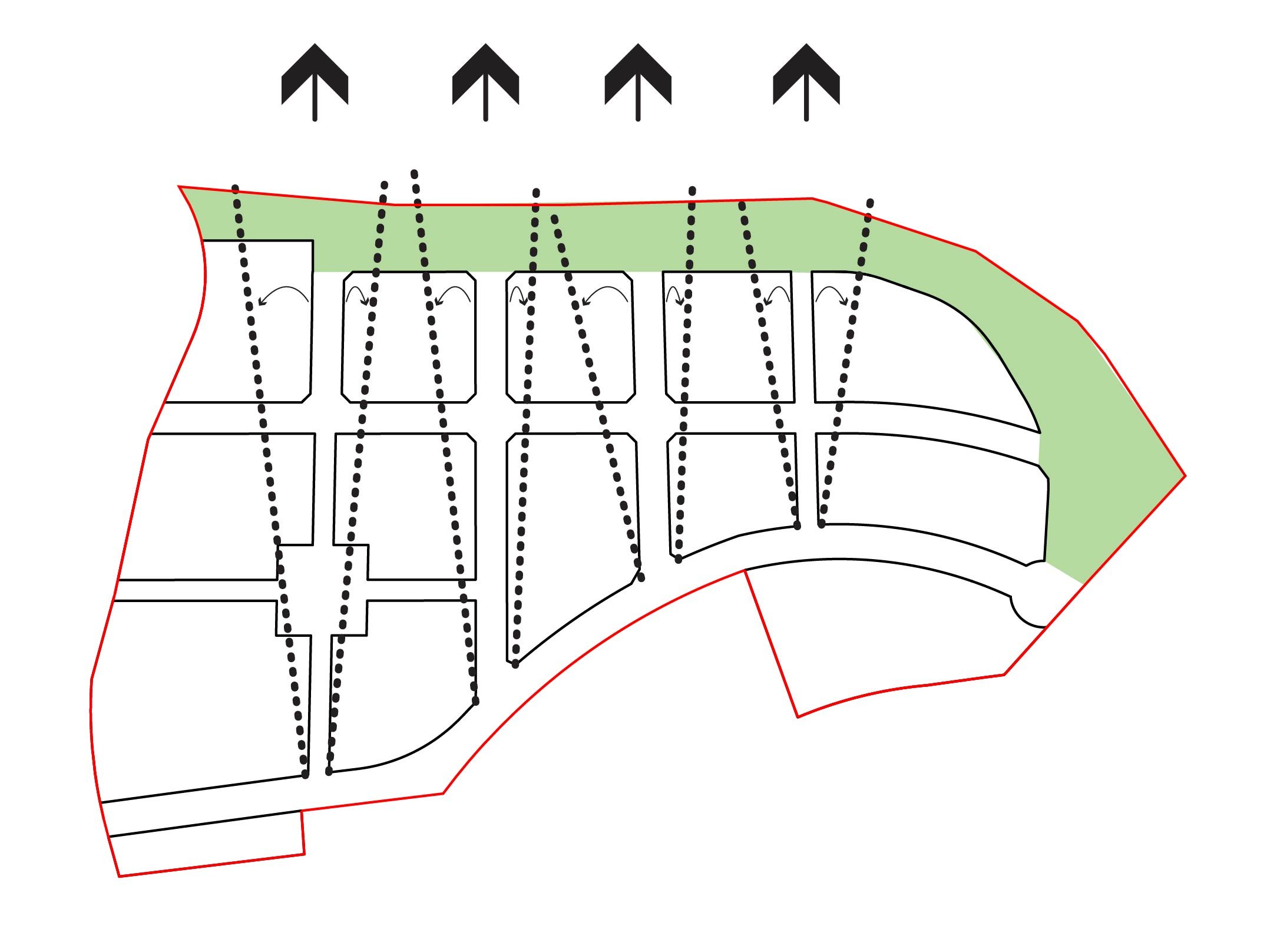
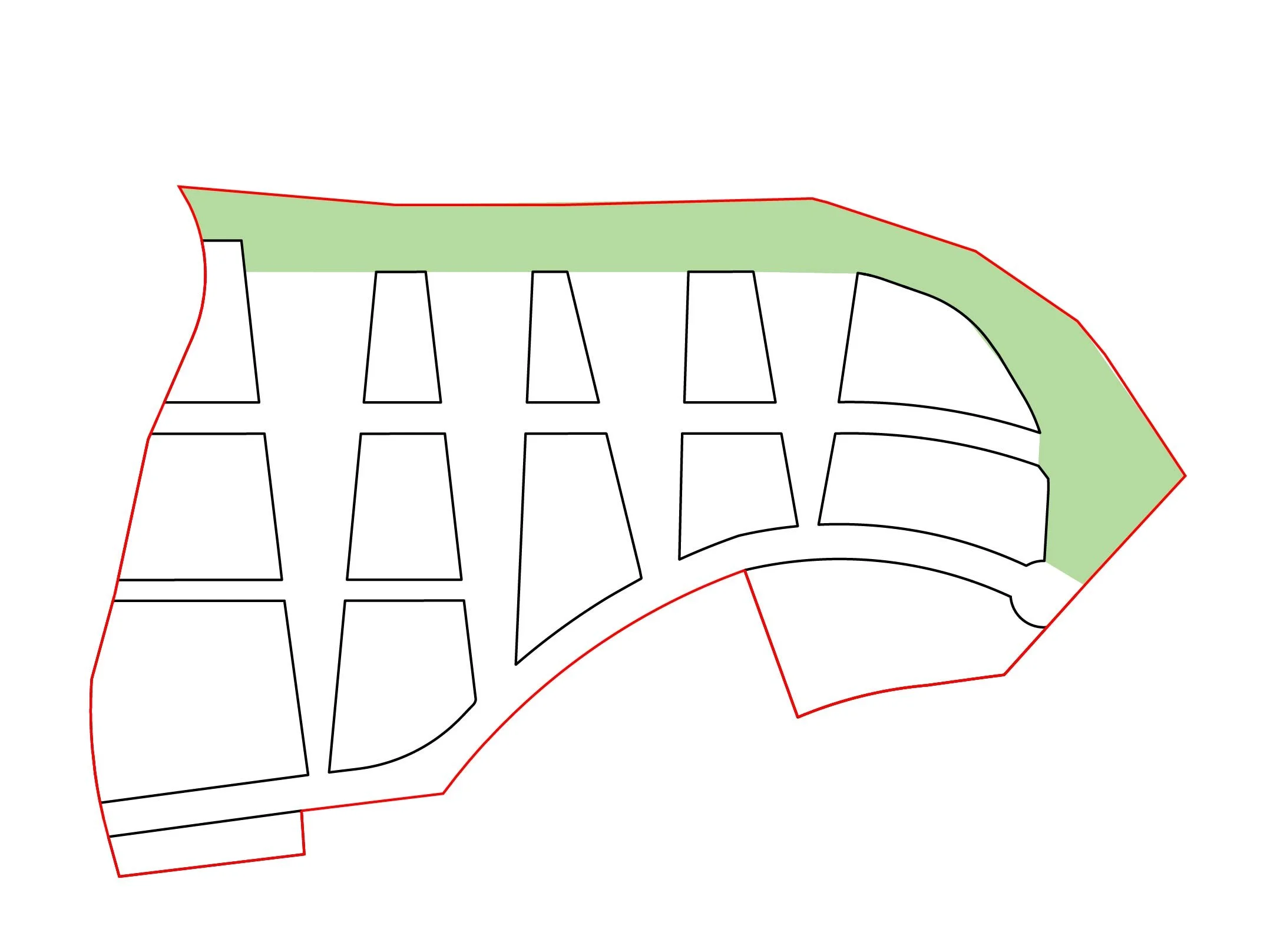
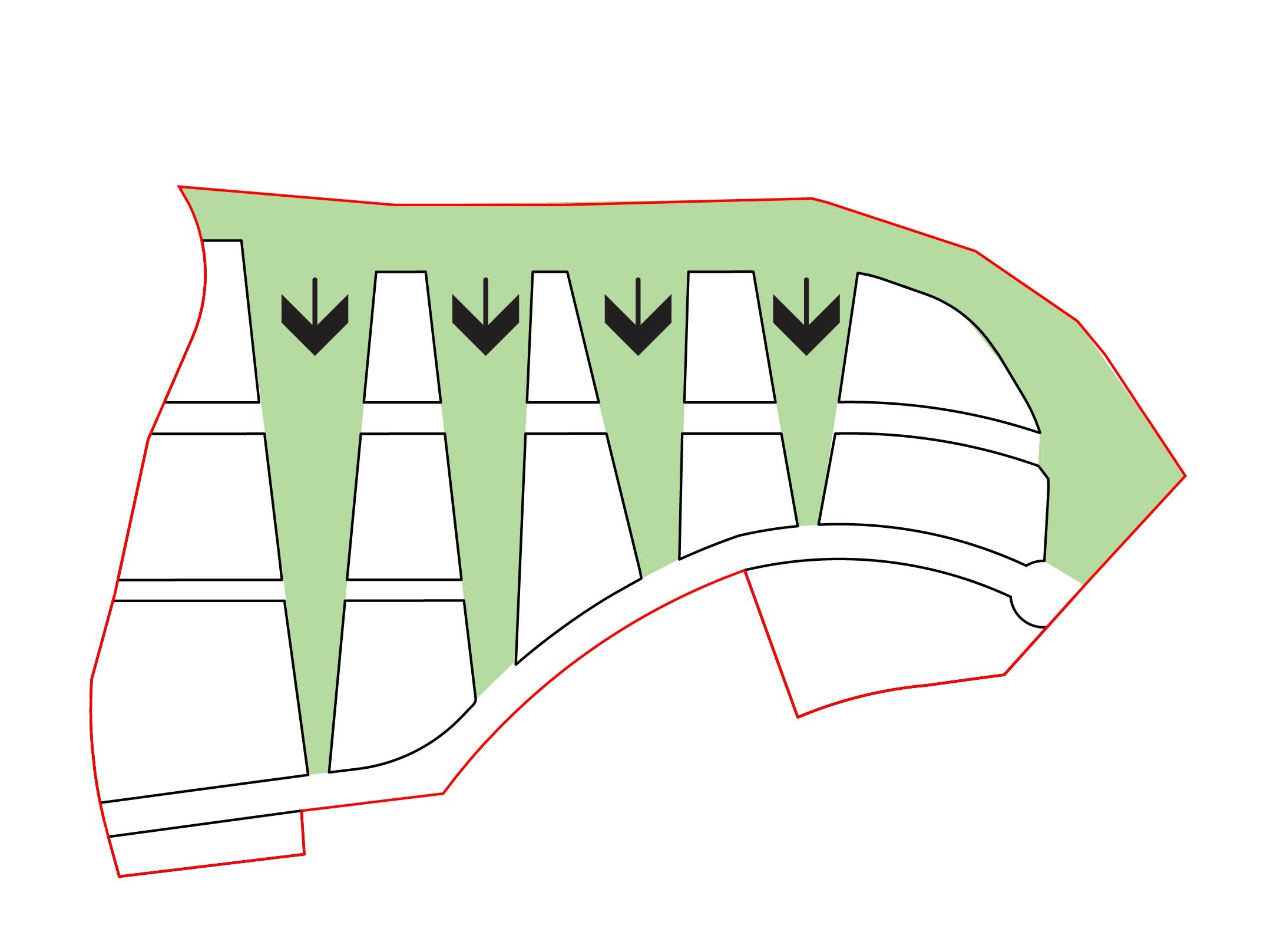
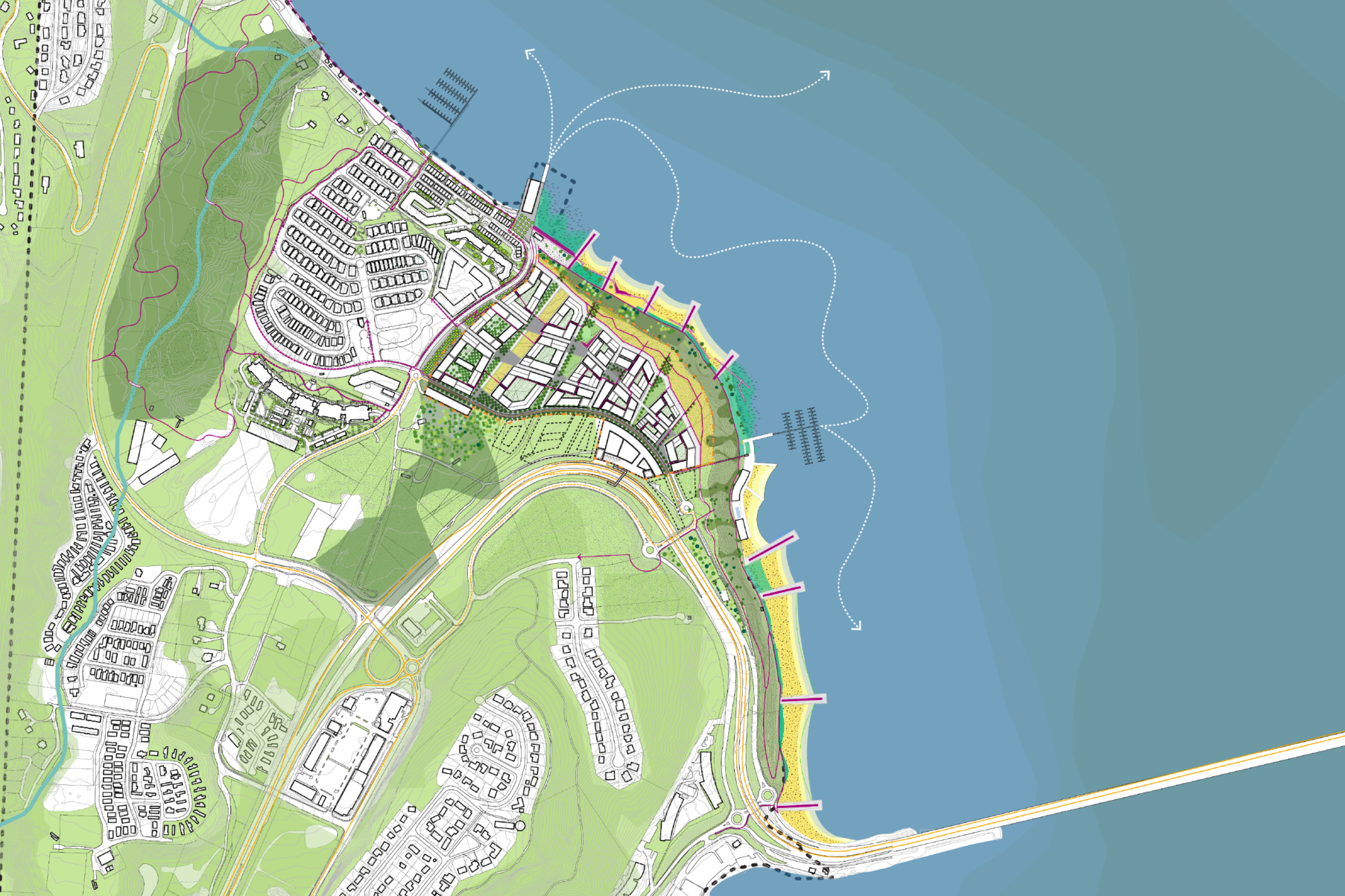
Neighborhood Construction
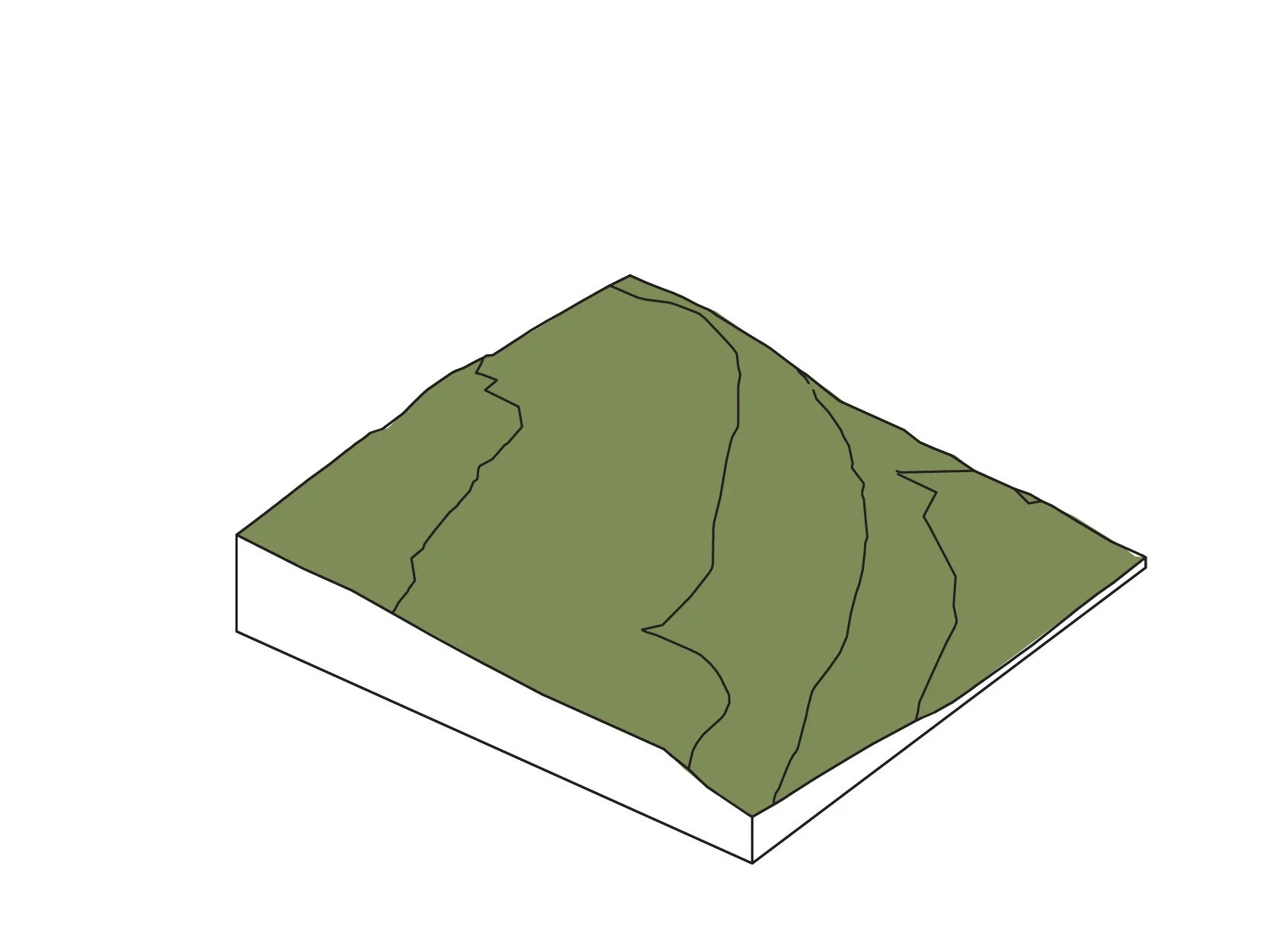
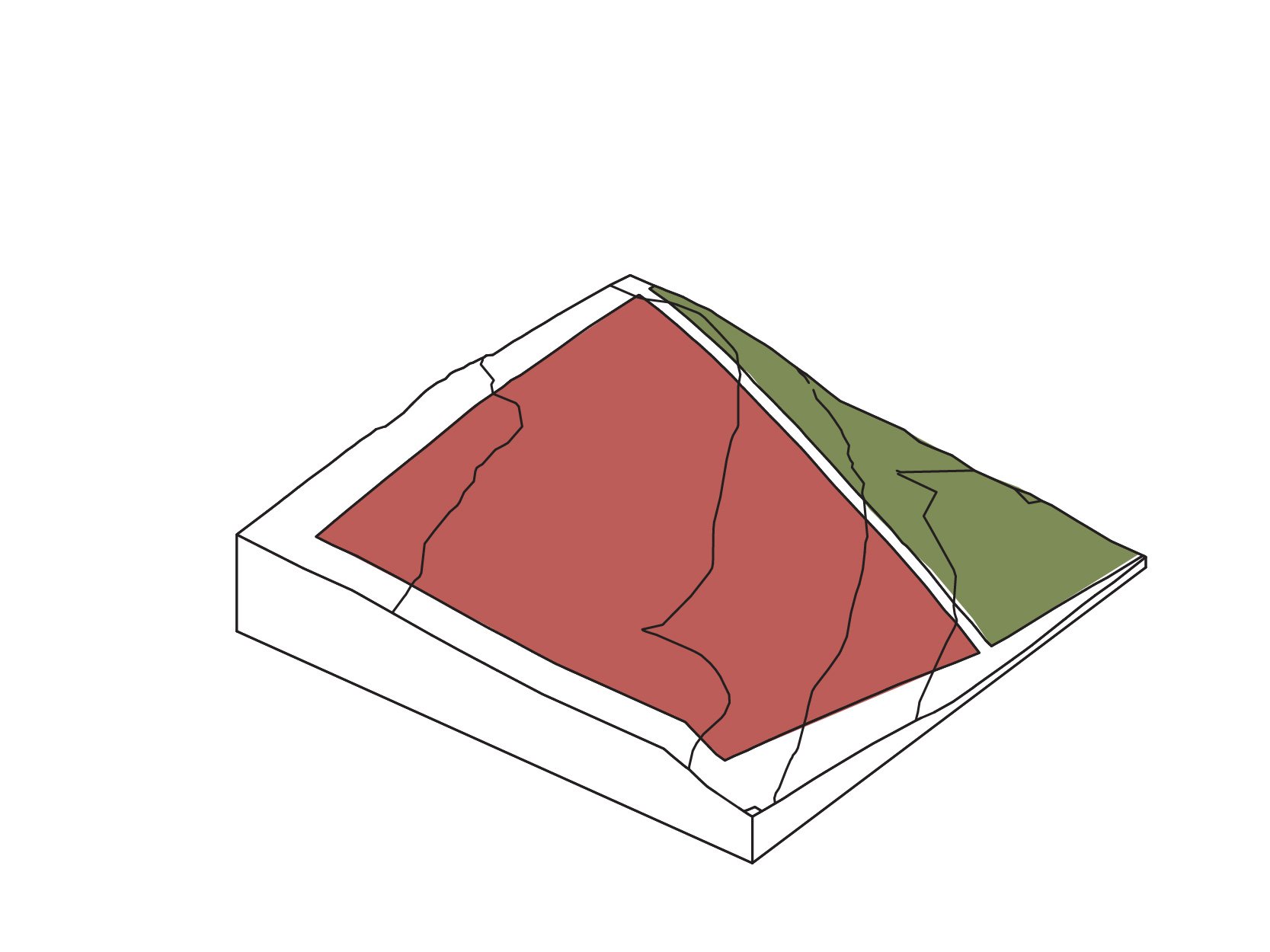
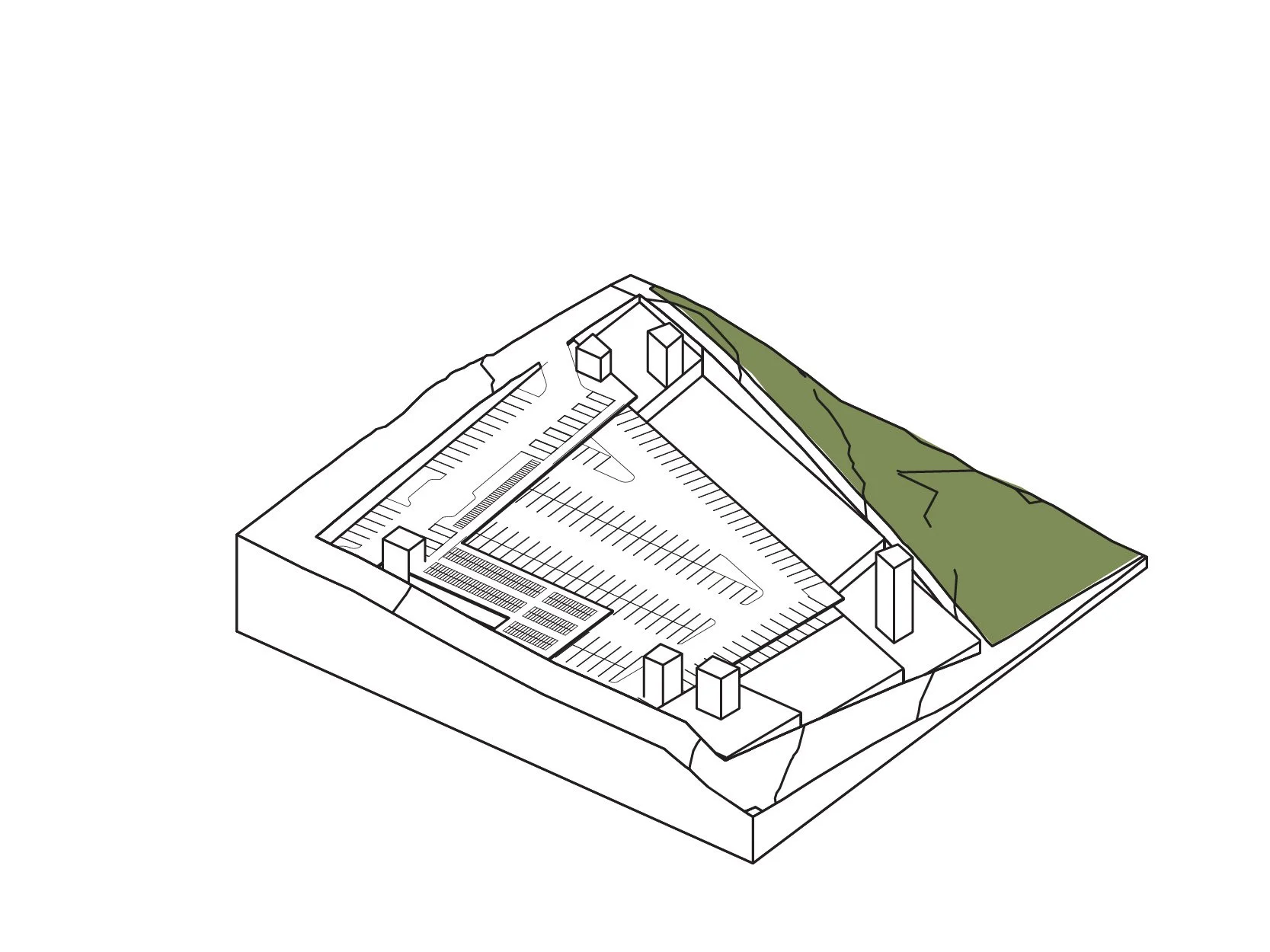
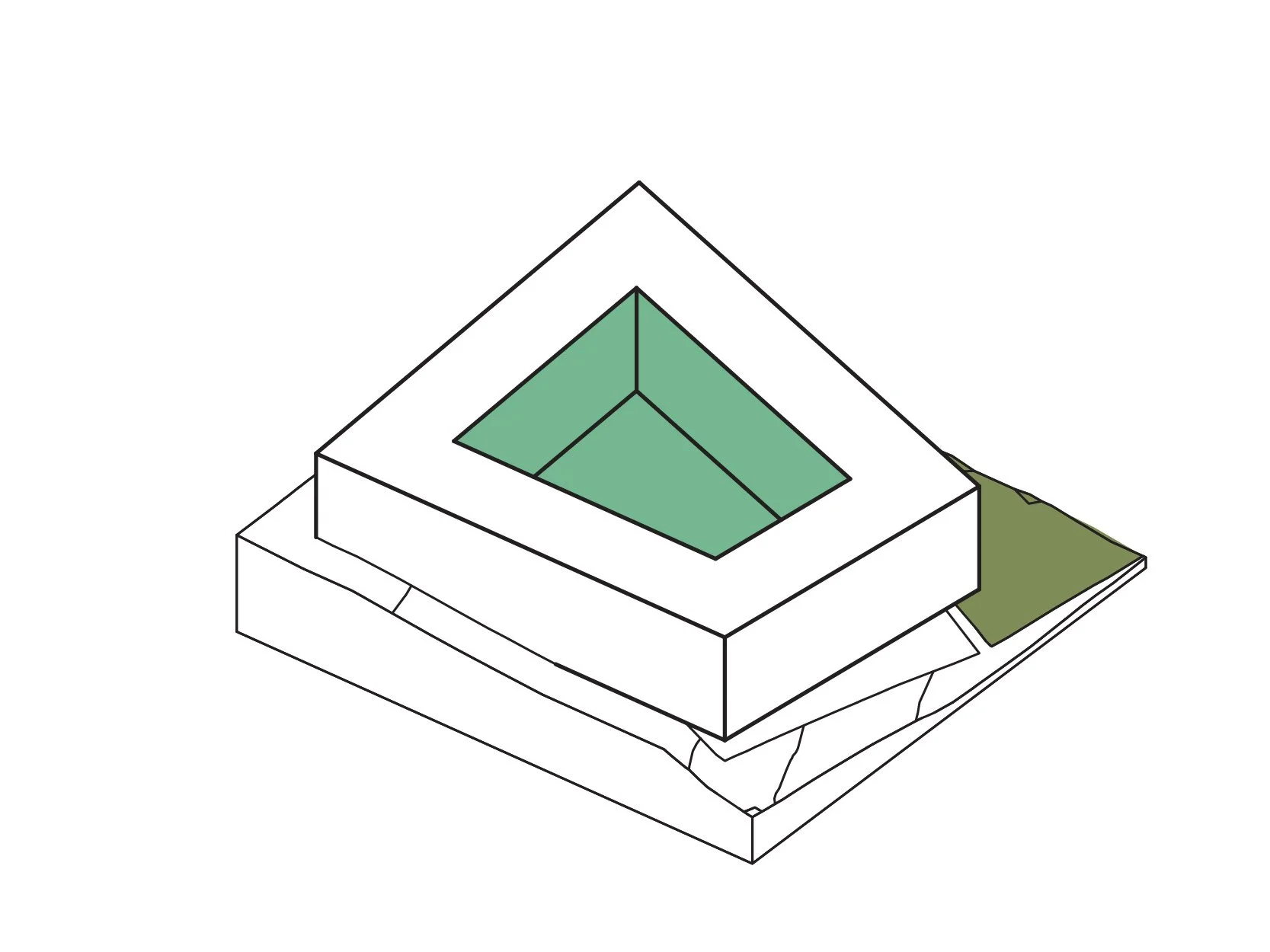
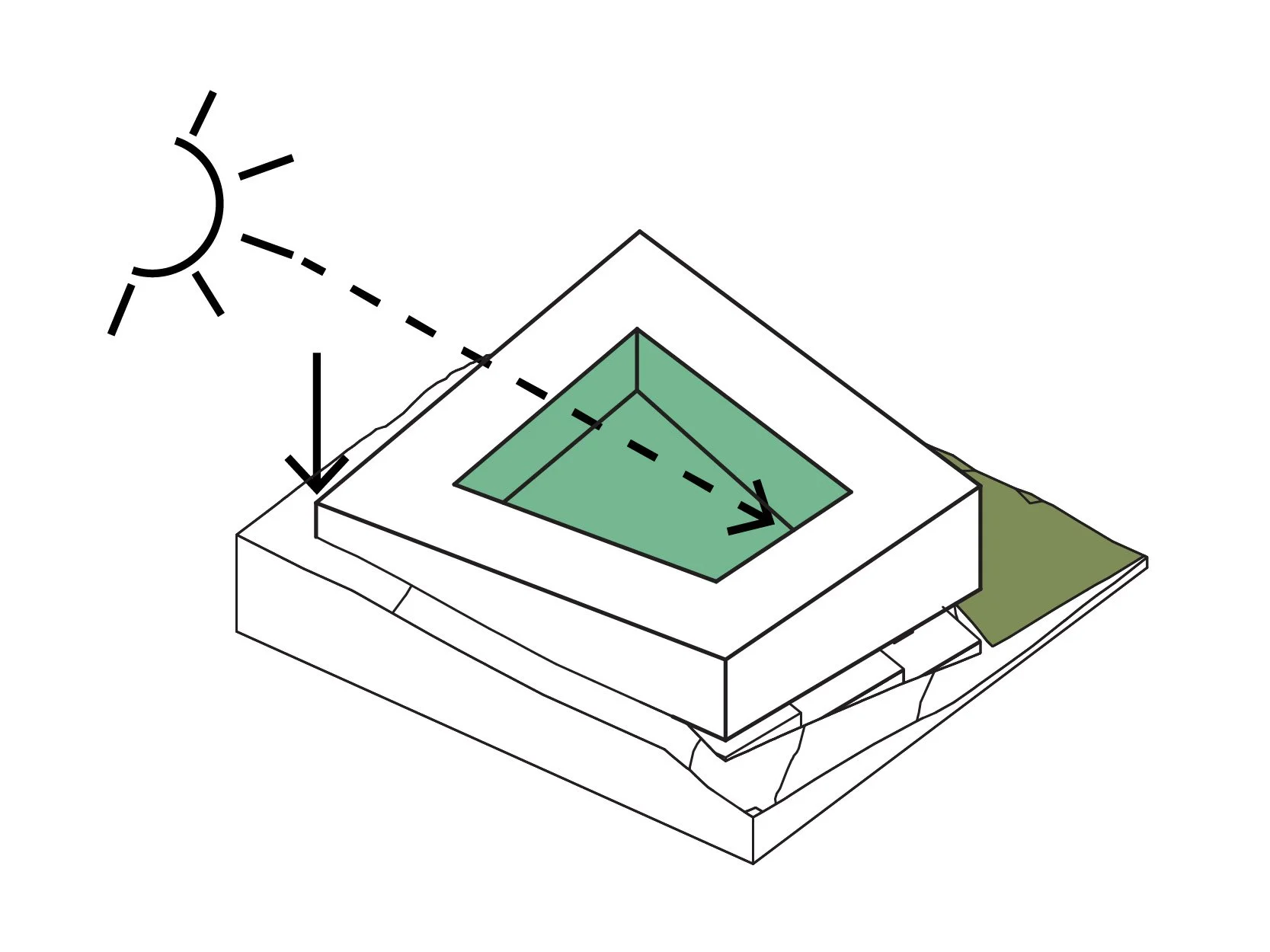
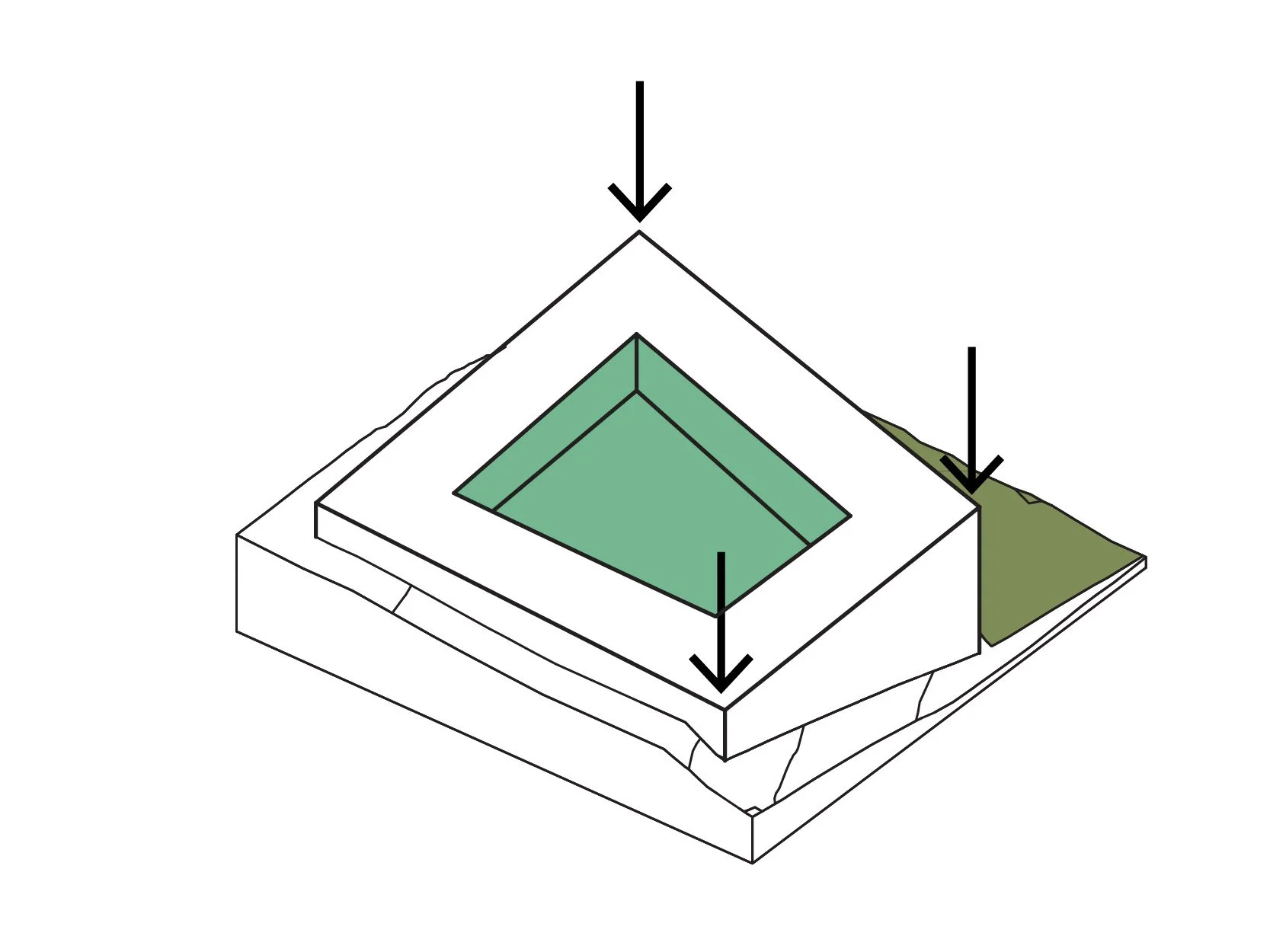
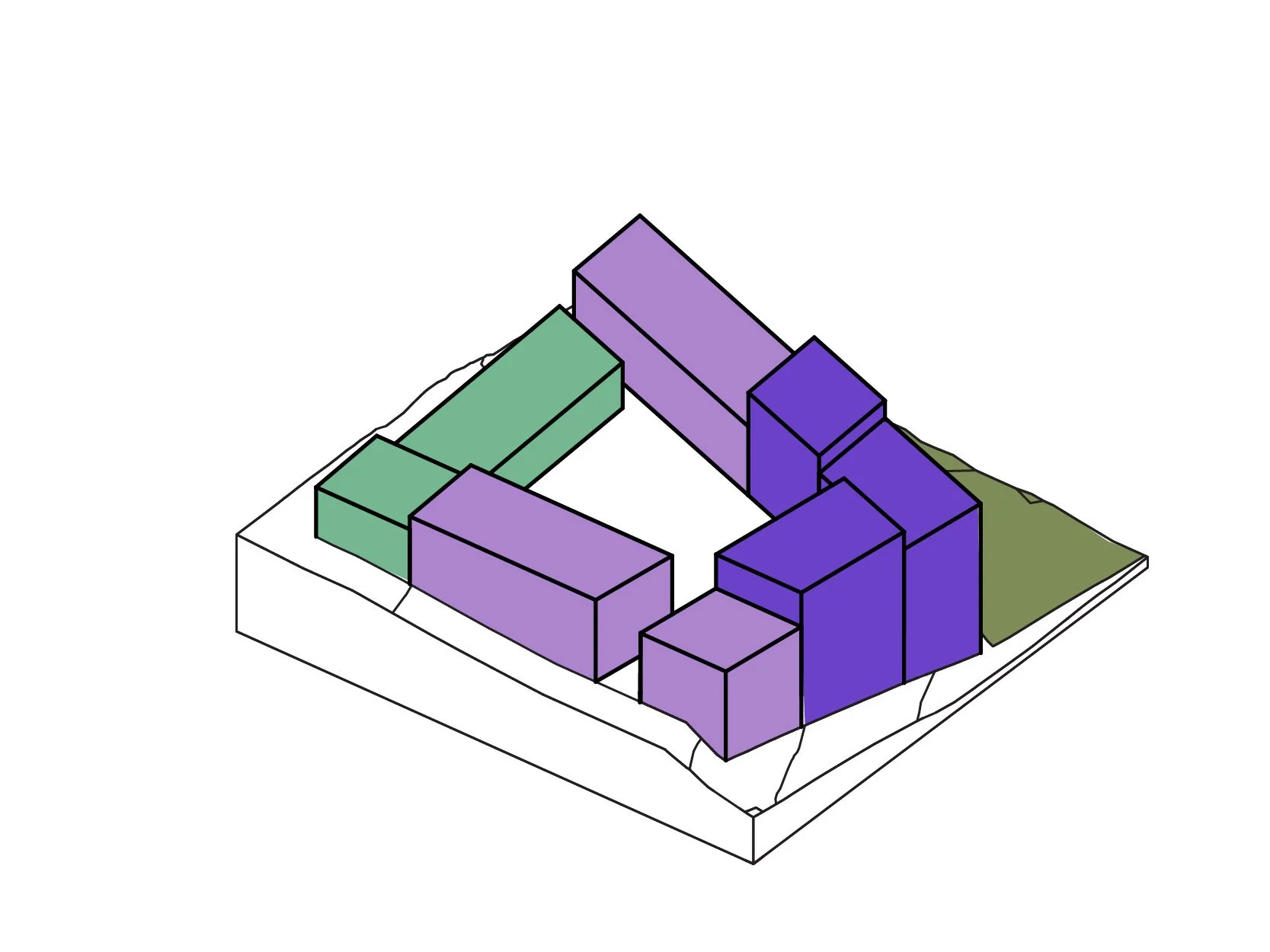
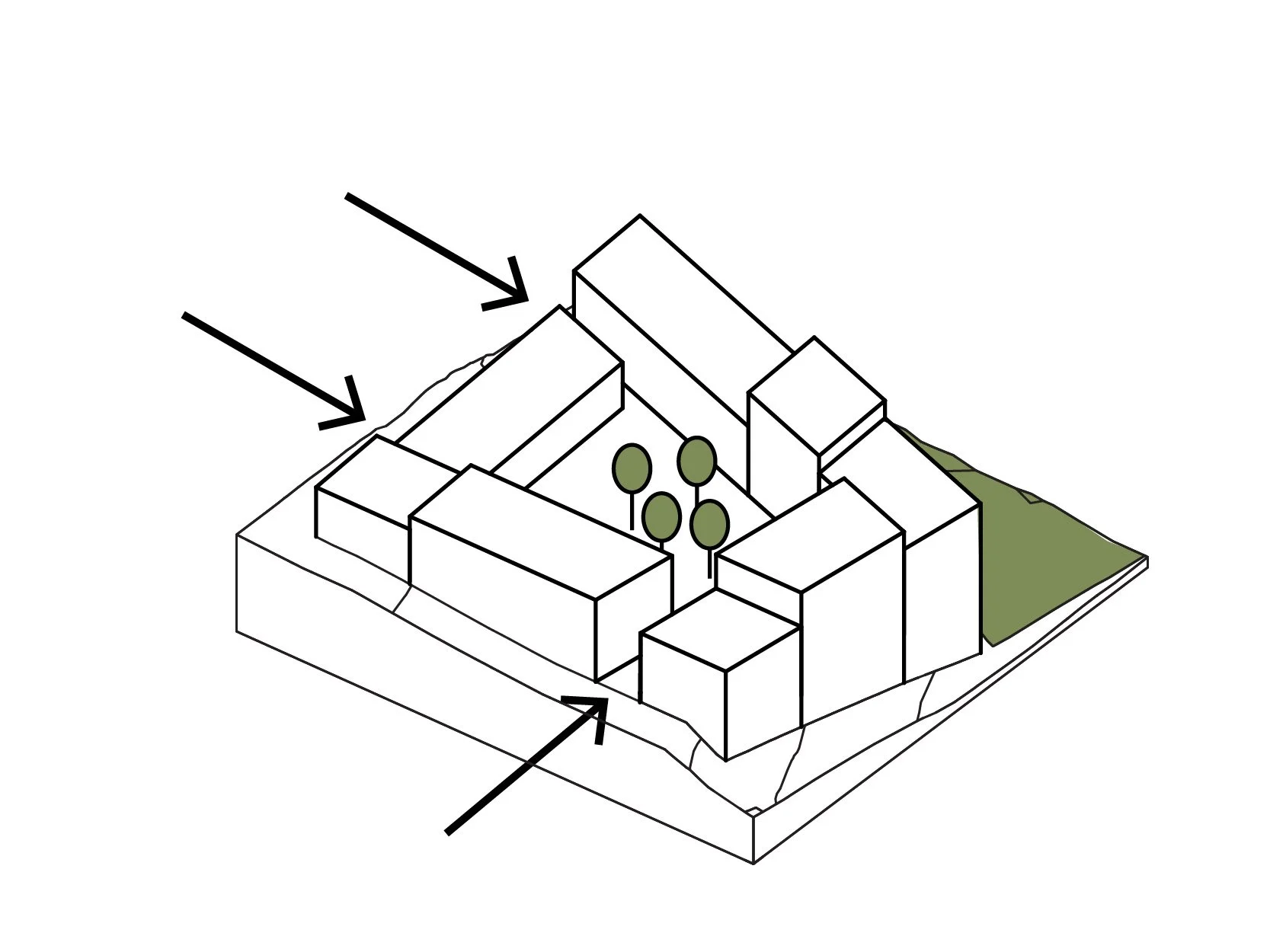
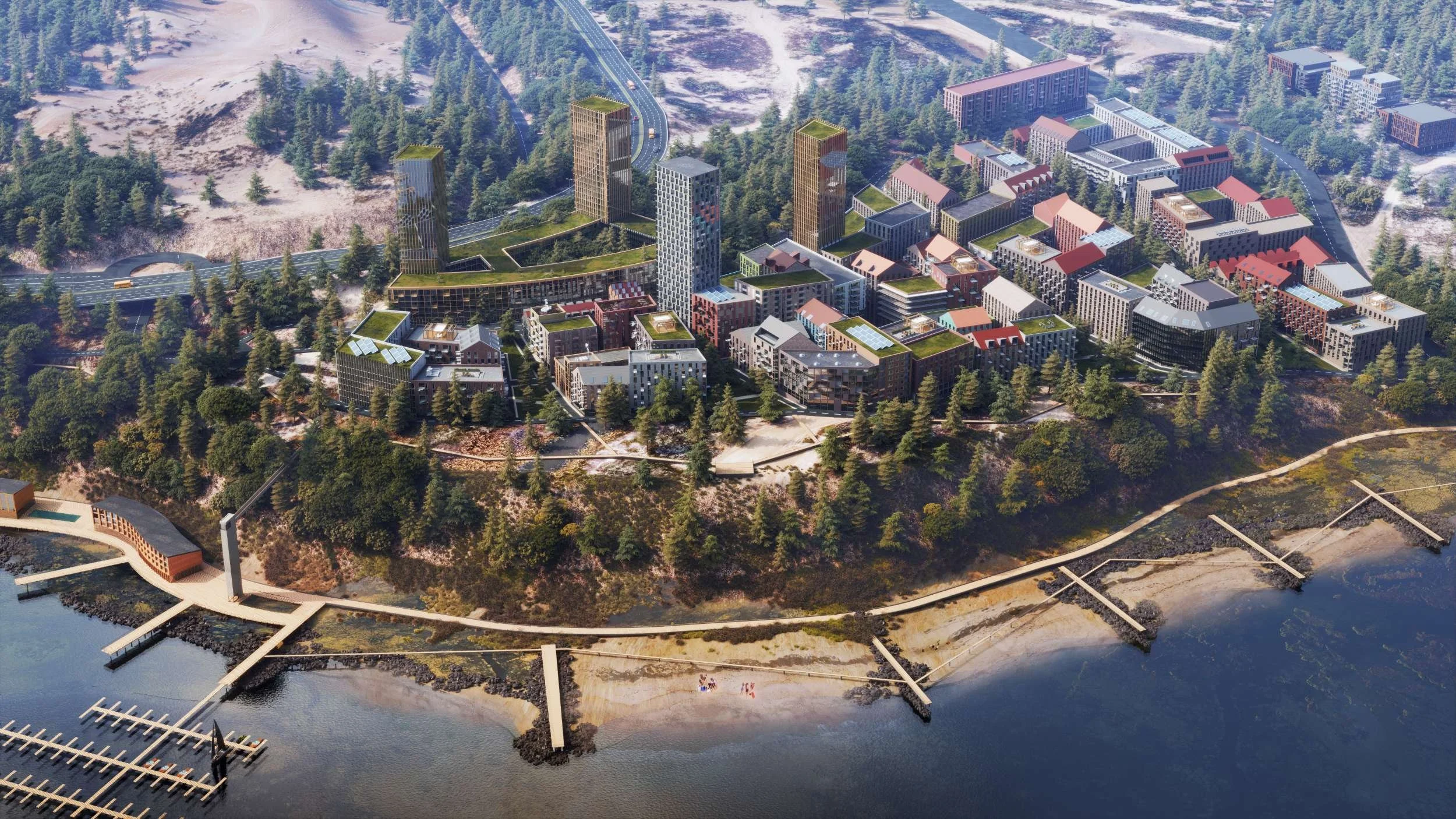
How can we increase ecological and social vitality & intensity?
Ecological restoration and active communities can work hand-in-hand. Providing inclusive and accessible recreation and cultural opportunities for all Members and Non-Members means accessible paths and trails, parks, amenities, and urban spaces throughout the development with programming to activate those spaces, as well as vibrant retail that ensures an active street life. Some strategies for this include:
incorporating accessible planning principles throughout the development
designing streets and public spaces that prioritize the pedestrian scale
creating a robust park system with a well-connected trail and bike path system that extends into the surrounding neighbourhoods
creating durable, well-connected public urban spaces for retail and cultural events and activities such as terraces, plazas, lawns, and courtyards
providing recreation and community amenities.