
James Huemoeller teaches a studio “BoomTOWNS: Volatility in the Urban Landscape”
This fall, James Huemoeller will teach a graduate studio at UBC SALA.
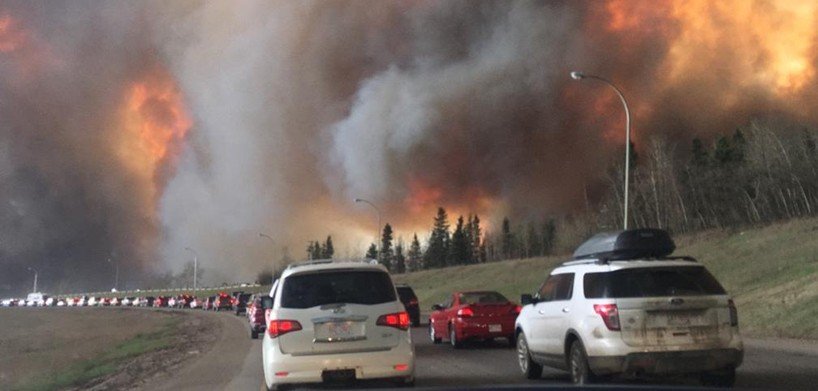
Just three months ago a wildfire swept through the Alberta town of Fort McMurray destroying homes and businesses in its path. It brought to the forefront of international news an entity many thought long was gone: the boomtown. In our era of megacities and globalization, the term “boomtown” usually brings to mind a city in Shanghai, Mubai, Lagos or any of the other rapidly urbanizing metropolises. However, the boomtowns of the old west not only still exist but are integral to our natural resource-dependent daily life, sprouting almost overnight from the small towns that only shortly before were struggling to exist at all. Their future is seemingly now secure, but the nature of that future is not. Any sense of community that existed is now disrupted by an influx of strangers, mostly male, there to supply the labor to support the new boom and make a quick buck. Along with these newcomers are housing shortages, growing pressure on public services, heightened gender and family issues, and an increase in crime--all problems one would expect with a growing population, but whose particular nature are unique to resource dependent communities. These issues exist despite the fact that the stakeholders, the community, the oil and gas companies, and the media all recognize that building strong communities is vital to meeting their goals and are willing to invest the money in doing so.
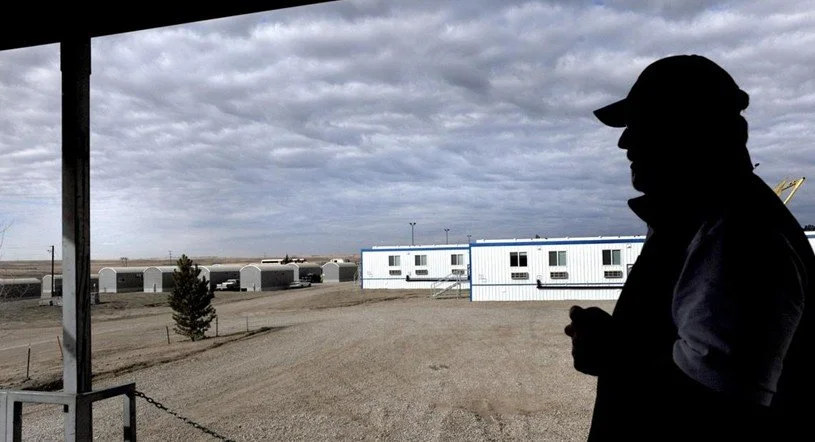
The body of research within the design field on how to deal with the challenges these communities face is limited. Instead, the typical responses concerning the built environment are generic, despite the unique nature of the problem. The state-owned landscape and the local town are planned separately; “greening” with better curb cuts is the primary planning objective and the new public structures rarely respond to their context in any meaningful way. This studio will fill this research gap by employing an iterative, research-intensive process that will speak directly to the inherent individuality of these communities.