
James Huemoeller teaches a studio “Our Aging Network”
This Spring, James Huemoeller will be teaching a graduate studio titled “Our Aging Network” at UBC SALA.
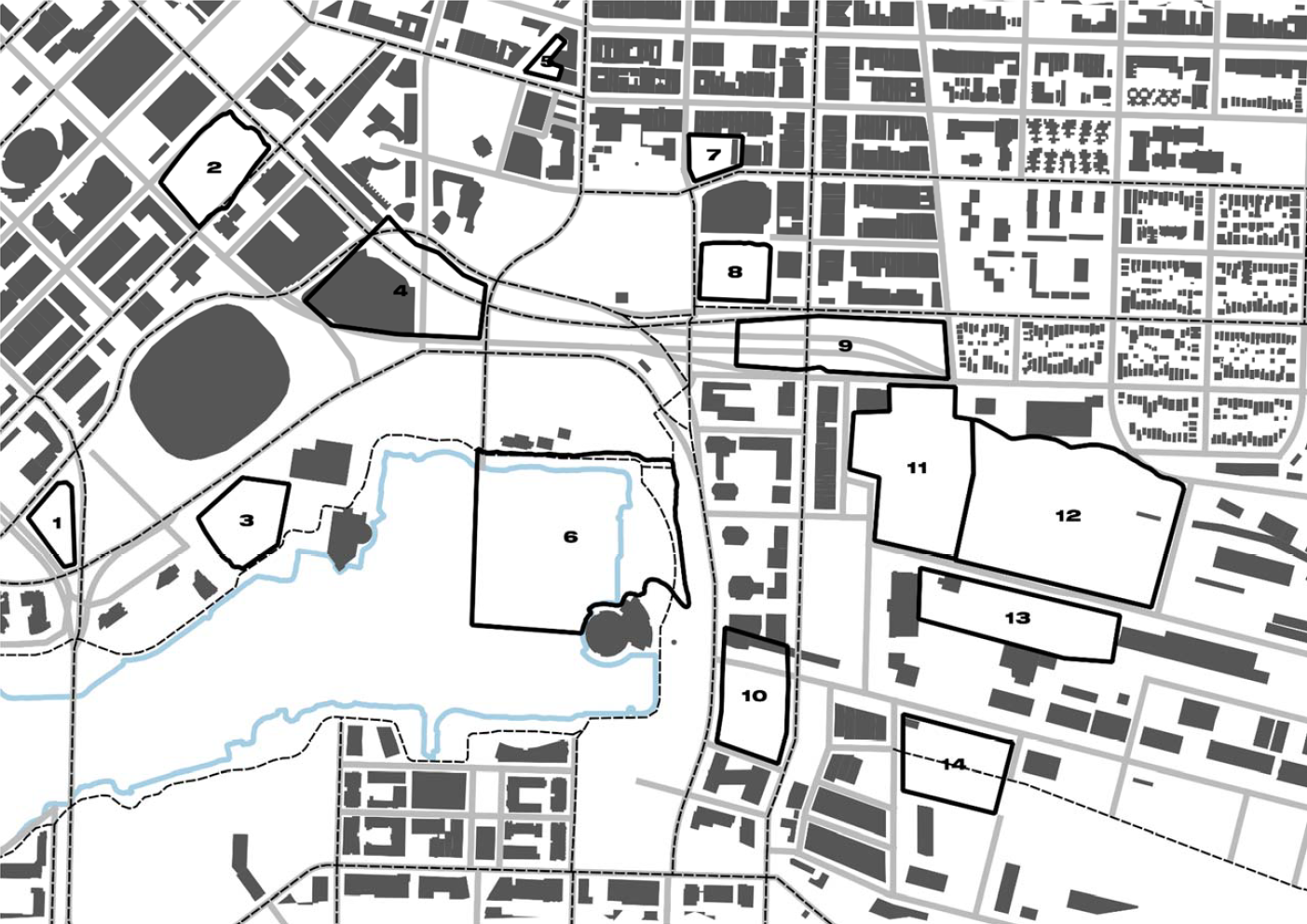
Students will be developing a network for aging with the city of Vancouver across 13 sites.
We are aging. Not just us, but everyone, together. It is no secret that, for lack of a better term “developed” nations are aging at a potentially unsustainable rate. Canada, while not necessarily leading the way, is still expected to see its over 65 population constitute over half the population. The equates to a potentially $65 billion-dollar shortfall as the ratio of retirees to workers continues to change. Of course, these are stats that sell newspapers (when those existed), so what does this mean for architecture? If nothing else, it means that the able-bodied individual you see in most renderings constitutes only half the potential user group. That likely that person you have been envisioning as you work through your designs is the wrong one. This studio will explore the idea of aging within Vancouver and the role the built environment should play on this evolving issue. Rather than focus though on housing, the traditional territory in architecture for addressing aging, this studio is going to look at the city. It will look at aging, not in isolation, but within a context, one that is not just spatial, but also temporal. We will confront the stereotypes and assumptions our society and architecture as a profession makes about this demographic. We will look at the categories that define the aged, what they want and need, and finally their networks, both social and familial, either to we make sure they remain connected to those networks or to question if that is even a good idea. Is aging in place a solution, or just a feel-good design trope? However, it should be noted that this studio is not just about aging. It is ultimately about architecture. The issues described above only explain the context of the world in which we are choosing to operate, both the narrative and reality. We can map that context, pull it apart and isolate elements of it for more intensive focus, but the question that remains for us, as architects, to answer is how do we engage this topic. Where does architecture live within this context?